
Last updated November 21, 2026
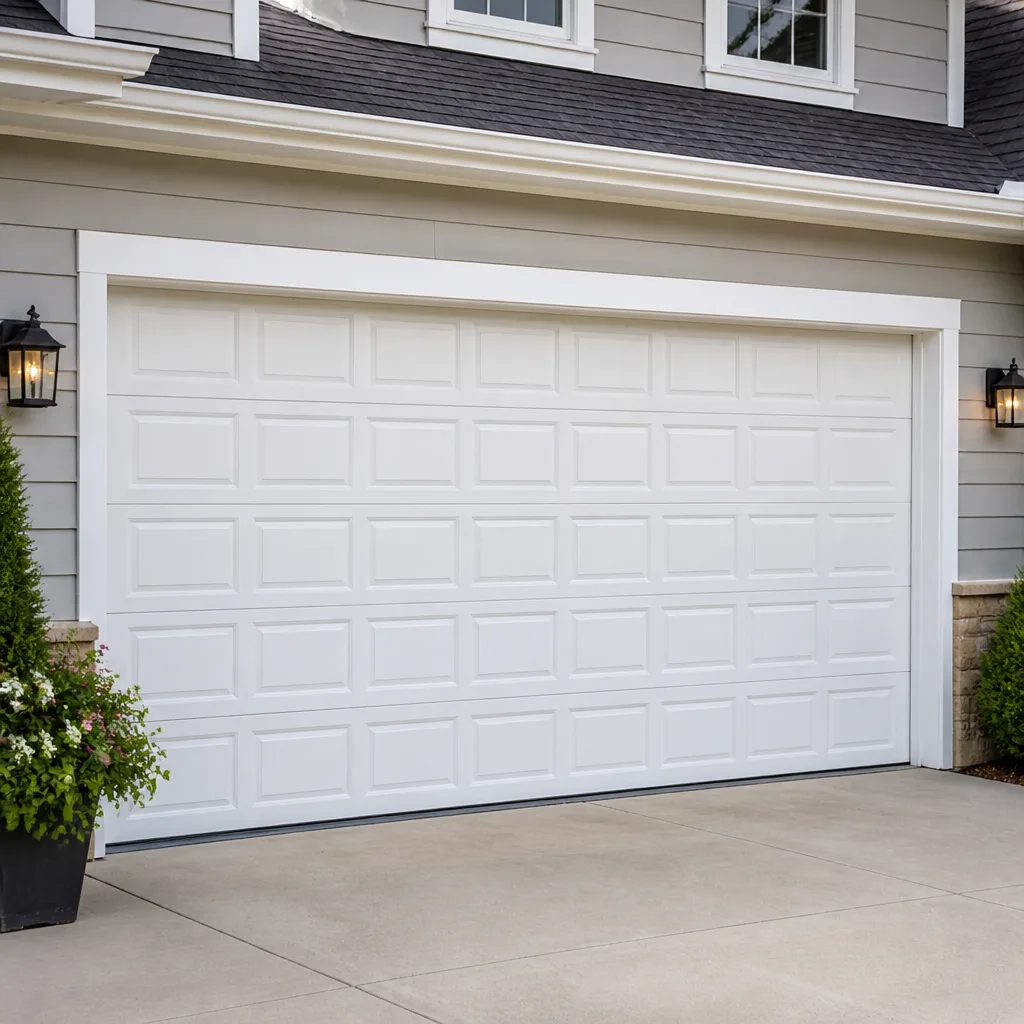 Raised-panel steel
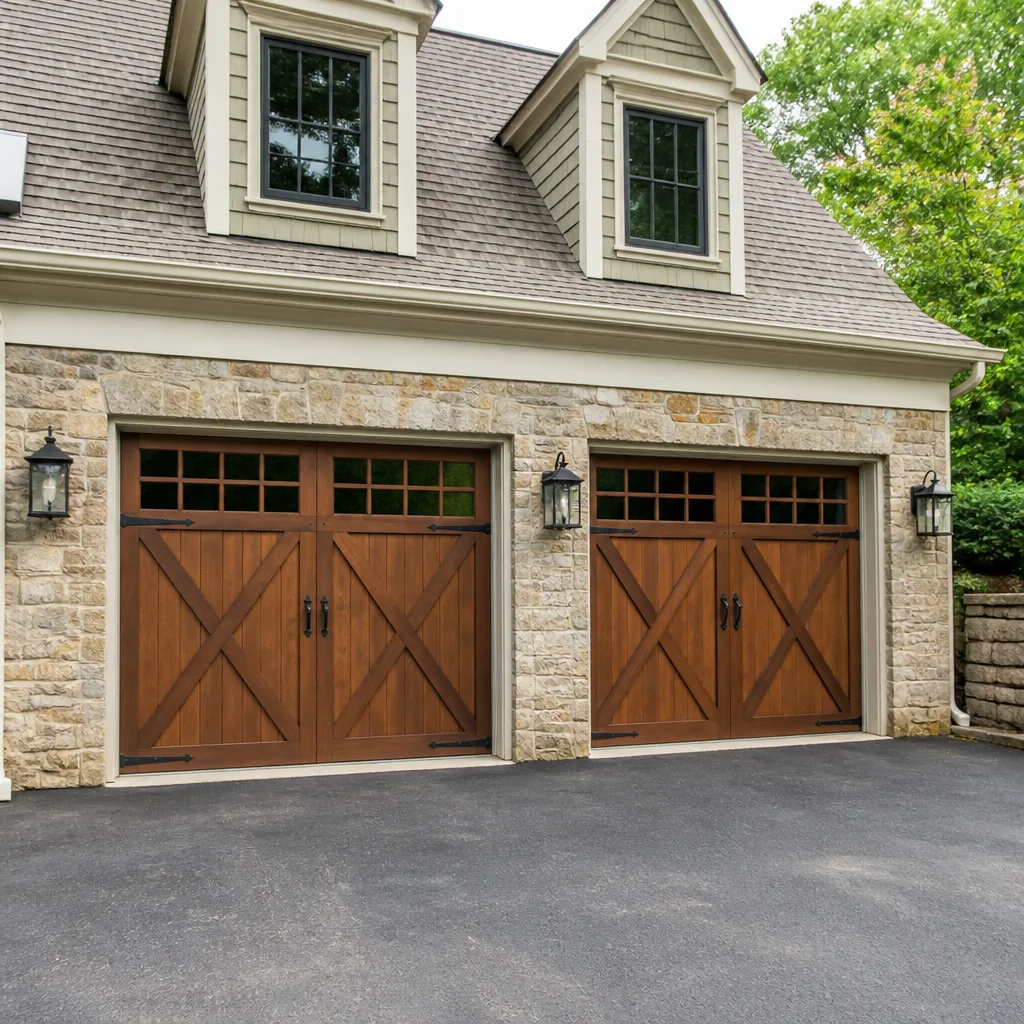 Carriage house
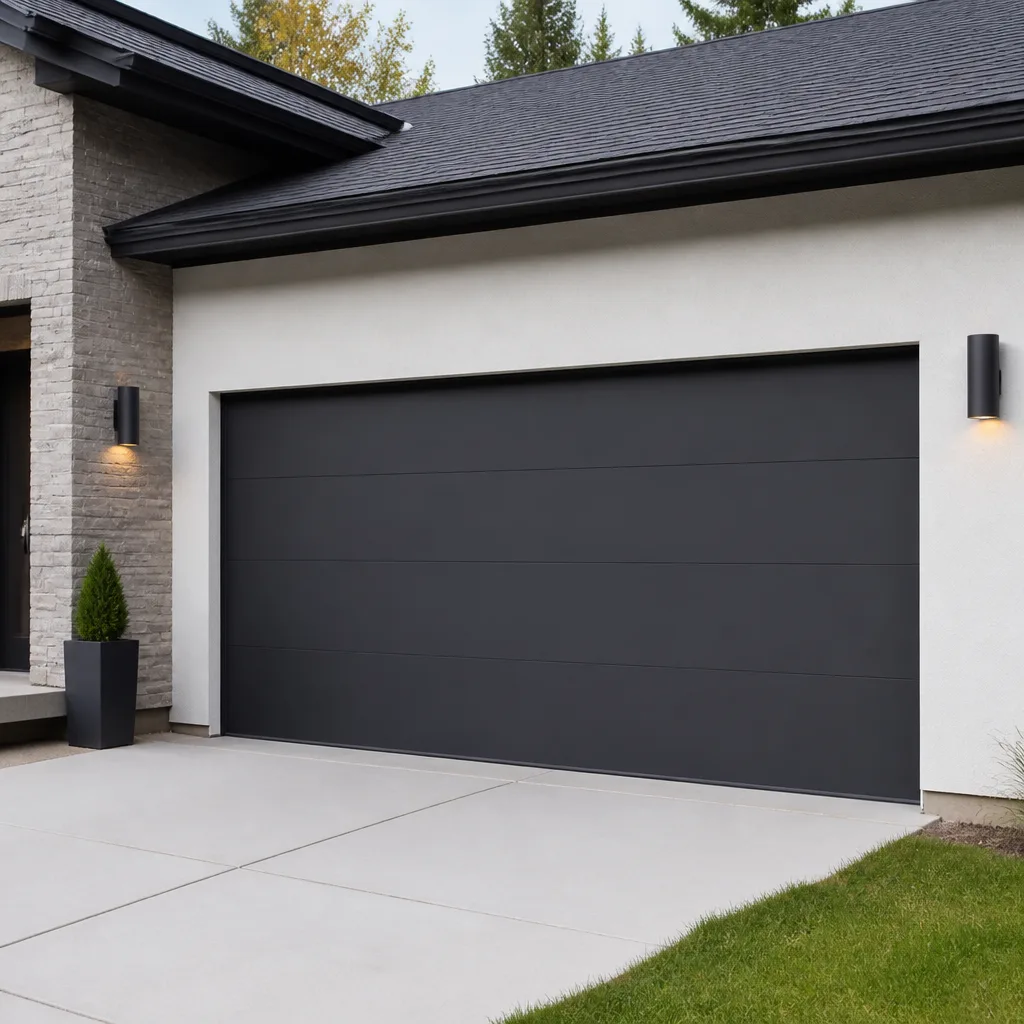 Modern flush
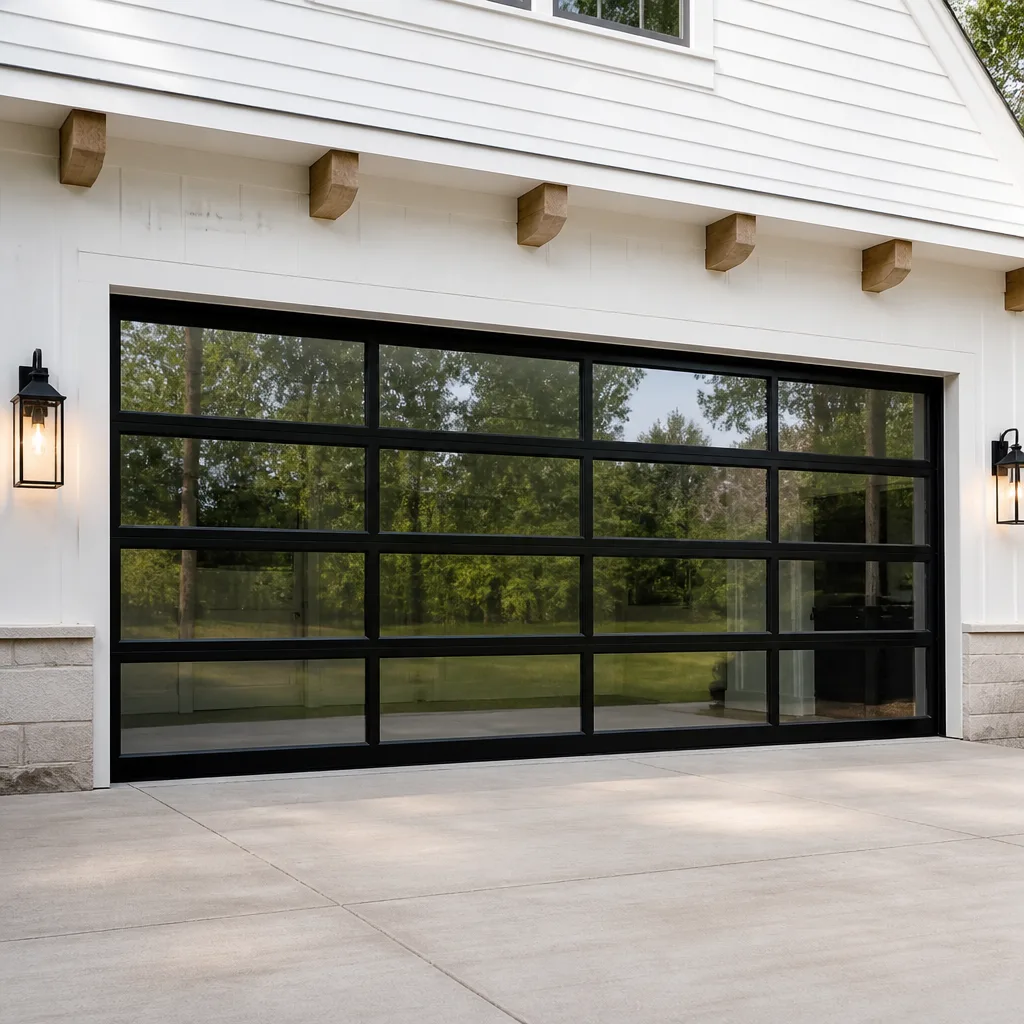 Full-view glass
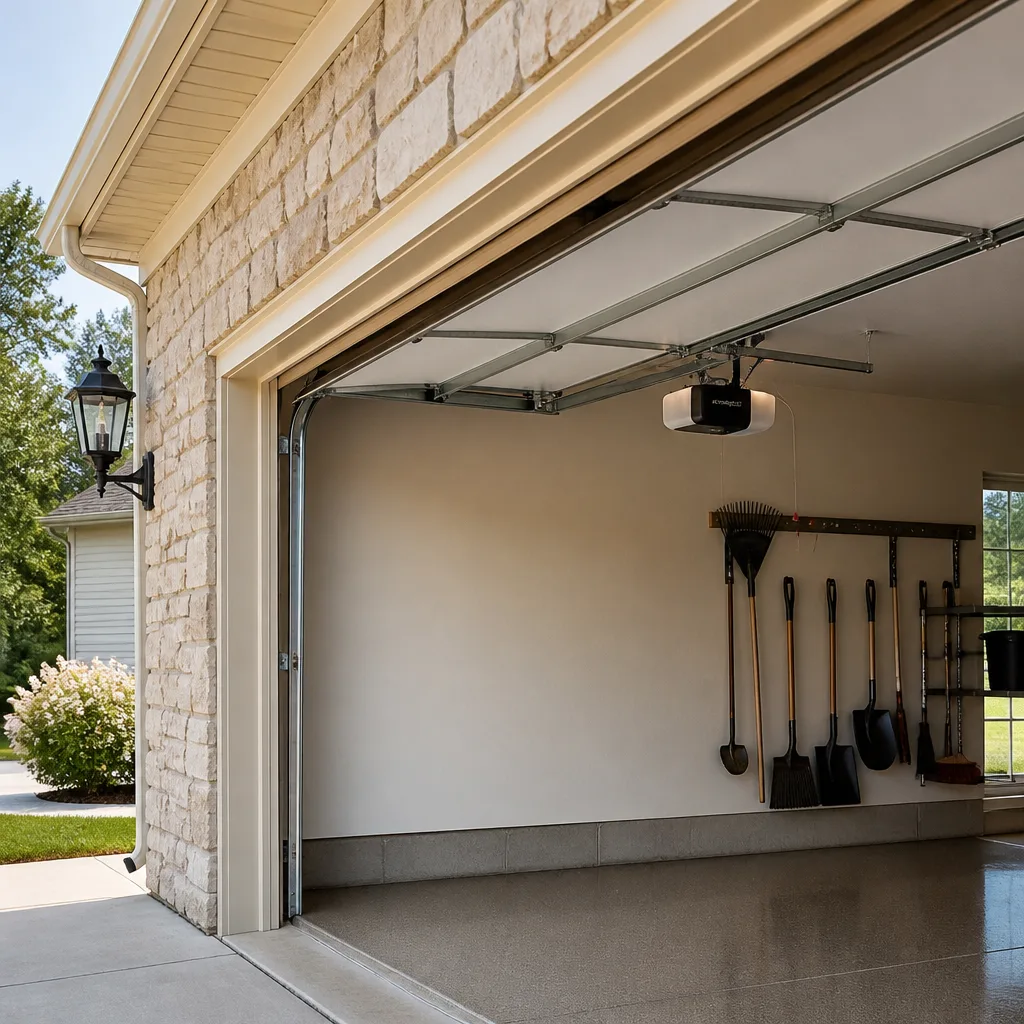 LiftMaster openers
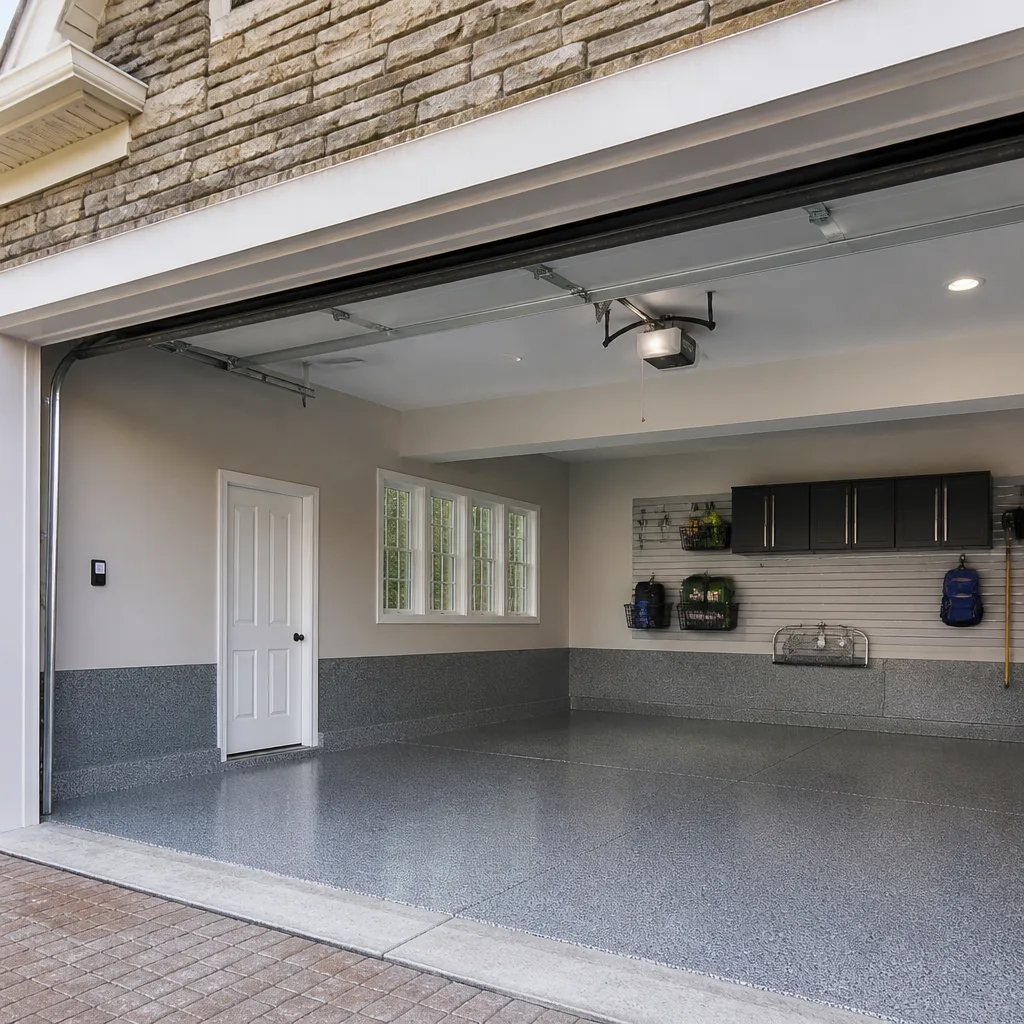 Chamberlain openers
Full 25-point door and opener safety check with every visit - springs, cables, rollers, tracks, and your LiftMaster or Chamberlain opener included
You get a price before we start. It does not change when the pro arrives.
Get your free estimateGarage Door Emergency Preparedness Guide for Memorial Homes
Most Memorial homeowners have a fire extinguisher, a flashlight, and a plan for the water heater. Almost none have a plan for the biggest moving object attached to their house. That gap shows up in two ways: a hurricane-season power outage that strands the car behind a dead opener, or a snapped spring on a normal weekday morning that does the same thing with no storm in sight. This guide covers both. You’ll learn how to release a dead door by hand on every common opener type, how to judge a broken-spring situation safely, how to prep a door before a storm heads into the Houston area, and what to keep in the garage so a small failure doesn’t become a multi-day wait. Everything here is written from Memorial, for Memorial.
Quick Answer
Garage door emergency readiness in Memorial comes down to three things: knowing how to manually release your specific opener, never force a door with a broken spring or slack cable, and prepping the door itself before storm season rather than after the power drops. Practice the manual release once now, keep a short list of emergency parts on hand, and know how to describe a failure clearly when you call so the technician arrives with the right parts. None of this takes more than an afternoon, and all of it pays off the first time the power goes out.
Styles & brands we work with
- Raised-panel steel
- Carriage house
- Modern flush
- Full-view glass
- LiftMaster openers
- Chamberlain openers
Table of Contents
- The Two Emergencies Memorial Homeowners Actually Face
- How to Manually Release Your Garage Door Opener (Every Common Type)
- Broken Springs: What’s Safe to Do and What Isn’t
- Pre-Storm Garage Door Prep for the Houston Storm Track
- Emergency Parts Worth Keeping in the Garage
- How to Call for Emergency Repair and Describe the Failure
- Power Outages, Battery Backup, and What to Check First
- Routine Checks That Prevent Most Emergencies
The Two Emergencies Memorial Homeowners Actually Face
Garage door emergencies in Memorial fall into two categories, and they get confused constantly. The first is environmental: a storm knocks out power, the opener goes dead, and the door won’t budge. The second is mechanical: a spring snaps, a cable lets go, or an opener gear strips out, and the door stops working whether or not the electricity is on. Most preparedness advice treats the garage door as an afterthought behind generators, shutters, and water. In our experience, it’s the one system that can trap your vehicle at exactly the moment you need it.
The environmental case is the one people think about during hurricane season. Memorial sits in the Houston storm track, which means the realistic scenario isn’t a direct hit every year but a strong tropical system that brings days of outages, flooded roads, and grid strain. When the power goes, a garage door with no manual release plan is a wall between you and your car.
The mechanical case gets less attention because it happens on ordinary days. A torsion spring that has cycled tens of thousands of times can fail with a loud bang on a Tuesday morning. A worn cable can slip off its drum. An opener from the early 2000s can strip a gear and stall halfway down. These failures are not seasonal, and they don’t announce themselves.
The reason to plan for both at once is simple: the response is nearly the same. You need to know how to release the door safely, when to stop and call, and what information to give the person on the phone. A Memorial household that has practiced that sequence once is far better off than one that hasn’t. If you’re already dealing with a failure today, our garage door repair service is the place to start.
How to Manually Release Your Garage Door Opener (Every Common Type)
Every residential opener sold in the last several decades has a manual release, and it works the same way in principle: you pull a cord or handle to disconnect the door from the opener carriage, then lift the door by hand. The differences are in where the release lives, how the door should be positioned before you pull it, and whether a battery backup complicates the picture. Practicing this before you need it is the single highest-value five minutes in this guide.
Before you practice, understand what the release does. The carriage is the trolley that rides the rail and connects the opener arm to the door. Pulling the release handle disconnects the carriage from the chain or belt, letting the door move independently. Push it too far and the door can run away from you; this is why you practice with the door in the closed position, not open.
The General Sequence
- Make sure the door is fully closed before you touch the release. A door released while open can slam down.
- Locate the release cord or handle. It’s usually a red handle hanging from the carriage on the rail, or a short cord near the opener head.
- Stand clear of the door path, then pull the handle down and toward the opener head at a slight angle. You’ll feel the carriage disengage.
- Lift the door slowly by hand from the bottom section. A well-balanced door should lift with modest effort.
- To re-engage, close the door fully, then run the opener once. The carriage should reconnect with a click.
Variations by Opener Type
LiftMaster and Chamberlain openers in Memorial homes commonly use a red T-handle on a short cord at the carriage, sometimes with a lockout feature that requires re-engagement from the wall control. Genie units often place the release on the trolley with a similar pull cord. Raynor systems may use a slightly different carriage design, but the principle holds: find the handle, close the door, pull, lift.
Battery backup units are where homeowners get caught. Many LiftMaster and Chamberlain models with integrated battery backup will still operate for a limited number of cycles when the grid is down, and some newer units keep the door under power even during an outage. If your opener has a battery compartment and a status light, it likely has this feature. Check yours now so you know whether you actually need the manual release in an outage or whether the door will run on battery for a while.
One more detail specific to Memorial: single-piece and sectional doors both use the same release mechanism, but heavier wood and insulated steel doors take more effort to lift by hand. If you can’t lift your door easily with the release engaged, that’s a sign of a spring or balance problem, and it’s a reason to call before a storm rather than during one. If your opener itself has stopped responding, our garage door opener repair service handles both legacy and smart-connected systems.
Broken Springs: What’s Safe to Do and What Isn’t
Springs are the most dangerous component of any garage door, and the safety caveat here is not boilerplate. Torsion springs are under extreme tension, and a spring that has failed or is about to fail can release stored energy instantly. Extension springs on older doors can whip if a safety cable isn’t present. This is the one part of the door we tell every Memorial homeowner to leave to a trained technician, full stop.
How to Recognize a Broken Spring
- A loud bang from the garage, often described as sounding like a gunshot or a dropped weight.
- The door opens a foot or two and stops, or won’t lift at all when you pull the release.
- A visible gap in a torsion spring above the door, usually with two clean breaks.
- A door that feels extremely heavy when you try to lift it by hand.
- An opener that runs but the door doesn’t move, or moves erratically.
What You Can Safely Do in an Emergency
If the door needs to be opened to get a vehicle out and you cannot wait for service, the only safe approach is to have a second person help lift the door by hand once it’s on manual release, taking care to keep hands clear of the springs, cables, and hinges. A door with a broken spring can be raised this way with two people, but only if it lifts smoothly and the cables stay seated on the drums. If you feel the door bind, hear cable creaking, or see a cable lifting off the drum, stop and lower the door. A cable that comes loose under load can cause serious injury.
This is the case where you should not attempt it: a door with a broken spring on one side of a pair, a door with visible cable damage, a door with a bent track or a warped panel, or any door where lifting requires real force from a single person. In those cases, leave the door closed and call. Spring replacement is a named service for us because it’s a repair way too many people try on their own, and the consequences of a mistake are severe. Our technicians have up to 11 years of experience with exactly this kind of work across Memorial.
Pre-Storm Garage Door Prep for the Houston Storm Track
Memorial sits in a storm track where tropical systems can bring high wind, heavy rain, and multi-day outages. The garage door is the largest opening on most homes, and the most common mistake is treating it as a passive object. “Just leave it down” is not sufficient preparation, because a door that’s down is still a wind-loaded surface and still a security gap if it’s damaged.
What Actually Helps Before a Storm
- Close the door fully and check that it seats evenly against the floor seal. A gap at the bottom lets wind and water in.
- Look at the bottom seal and the perimeter weather stripping. If the seal is cracked or missing, wind-driven rain will find the gap.
- Check the track for bends and the hinges for loose screws. Small issues get worse under wind load.
- Test the manual release while you still have power and daylight.
- Keep the door down and locked. For most residential doors, the opener’s lock plus the door’s own weight is adequate for typical Memorial storm conditions; braced panels or storm-rated doors are a separate conversation if your home faces open exposure.
- Clear anything leaning against or stored near the door so the track isn’t blocked after the storm.
- If you’re evacuating, leave the door closed with the opener engaged. If you expect to lose power, confirm the manual release works first.
One thing we’ve seen repeatedly: homeowners discover after a storm that the door was damaged, and the weather-stripping and seal damage let water into the garage and the house. Pre-storm checks catch most of that. If your door is older and you’re considering replacing it before next season, our garage door installation service can walk you through brand options including Clopay, Amarr, Wayne Dalton, and Raynor, along with the opener pairing.
After a storm, before you run the door, look for bent panels, a shifted track, or a door that won’t seat evenly. Running a damaged door can turn a repair into a full replacement. Andres, the local Memorial homeowners we work with most often tell us the same thing: the pre-storm hour they spend checking the door is worth more than the post-storm week they’d otherwise spend waiting in a backlog.
Emergency Parts Worth Keeping in the Garage
The difference between a minor failure and a storm-week service call is often a five-dollar part. When a storm hits Houston and the region’s repair backlog builds, a missing battery or a torn bottom seal goes from an inconvenience to a multi-day problem. Stocking a small set of parts before the season costs little and saves real time.
- Remote batteries. Most LiftMaster, Chamberlain, and Genie remotes use common coin or A23-style batteries. Buy a pack and note the type on the inside of the battery door.
- Bottom seal material. Measure your door’s width and the existing seal profile. Standard 1/4-inch, 3/8-inch, and 1/2-inch bead profiles cover most residential doors in Memorial; keep a section long enough to replace a torn spot.
- Emergency release handle and cord. If your release cord is frayed or the handle is missing, replace it. A broken release cord is useless when you need it.
- Photoelectric safety sensors. These pairs are inexpensive and easy to keep as a spare. A failed sensor can stop the door mid-cycle.
- Hinges and roller brackets. A few spare hinges for your door’s gauge cover most hardware failures.
- A printed copy of your opener’s manual with the model number visible, so you can find the exact release procedure and battery type.
The one thing you should not stock as a spare is a torsion spring. Springs are matched to the door’s weight and cycle life, and installing one is not a homeowner task. If you’re ever unsure whether a part is the right fit, call before you order. Parts supply is a listed service for us, and the right part installed correctly beats a guess every time.
How to Call for Emergency Repair and Describe the Failure
The single biggest reason an emergency repair takes an extra trip is a vague description on the phone. “My garage door is broken” gives a technician nothing. A precise description gets the right parts on the first visit and saves you a day.
What to Have Ready Before You Call
- The door’s brand and the opener’s brand and model, both usually on a label on the opener head or the door’s end stile.
- Whether the door is open, closed, or stuck partway.
- Whether the opener runs (you hear the motor) and the door doesn’t move, or whether nothing happens at all.
- Whether the door is on manual release or still connected to the carriage.
- What you see: a gap in the spring, a cable off the drum, a bent panel, a broken hinge, a blinking sensor light.
- Whether other doors or openers on the property use the same remote frequency.
- Any recent storm damage or water intrusion in the garage.
A Useful Script
Something like this works well: “The door is a Wayne Dalton, the opener is a LiftMaster, and the door is stuck about halfway down. The opener motor runs but the door doesn’t move, and I can see the torsion spring above the door has a gap in it. I haven’t touched the release.” That gives a technician enough to bring the right spring size, the right tools, and the right safety gear. Call (877) 492-2056. We answer 24/7. Fast dispatch from 7am to 7pm, Sunday through Friday.
One clarification that matters: the price for emergency repair is set per job by the written estimate, quoted and agreed before any work starts. We don’t quote prices over the phone without seeing the door, and we don’t surprise anyone with a figure that changed. If you’re in Memorial and the door has failed, the right first step is to describe it clearly and let the estimate follow. Our garage door repair team handles exactly this kind of call.
Power Outages, Battery Backup, and What to Check First
If the power is out and the door won’t open, the first thing to check is whether the opener has battery backup and whether the battery is charged. Many modern LiftMaster and Chamberlain units hold enough reserve for a handful of cycles. If you have it, you might not need the manual release at all. If you don’t, the manual release is your path.
A Quick Diagnostic Sequence
- Check the opener’s status light. A steady or blinking light with a battery symbol means the unit has backup.
- Press the wall control. If nothing happens, the backup battery may be depleted or disconnected.
- Check the battery compartment for corrosion or a loose connector. A freshly charged backup battery can restore normal operation for a while.
- If there’s no backup or it’s dead, go to the manual release procedure above.
- Once the door is up, keep it on manual release until power returns, and re-engage the carriage before running the opener again.
- If the door still won’t move smoothly by hand, stop and call; the problem isn’t just the opener.
For Genie and Raynor units, the diagnostic sequence is the same in principle. The variable is whether the specific model has a backup feature. Most units made in the last decade do. If you’re not sure, the model number on the opener head tells you, and we can confirm it by phone. In our experience, the Memorial households that get through an outage cleanly are the ones that checked this before the storm, not during it.
Routine Checks That Prevent Most Emergencies
Most garage door emergencies are the result of a slow failure that nobody noticed. A monthly five-minute check catches the majority of problems before they strand a car. Here’s the routine we recommend for Memorial homes, timed to the coastal storm calendar.
- Monthly: run the door through a full cycle and listen for changes in sound. Grinding, popping, or a labored motor are early warnings.
- Monthly: check the safety sensors with a small object in the door’s path. The door should reverse on contact.
- Monthly: look at the springs for visible gaps and the cables for fraying or a drum that has popped.
- Monthly: check the weather stripping and bottom seal for cracks or separation.
- Before storm season: test the manual release and confirm you can lift the door by hand.
- Before storm season: replace remote batteries and inspect the release cord.
- Annually: have a technician balance and lubricate the door and check the opener’s force settings.
The balance check is the one most homeowners skip. With the door on manual release, a balanced door will hold roughly in place about halfway open; one that falls or rises on its own has a spring problem coming. That single check catches most spring failures before they happen. For more on the full range of services behind these checks, see Garage Door Repair Memorial.
Common Mistakes to Avoid
- Pulling the manual release with the door open. The door can drop fast and damage panels or injure someone below. Close the door fully before you pull.
- Trying to replace a torsion spring yourself. This is not a safe homeowner repair, and the energy stored in a spring is enough to cause serious injury. Leave it to a technician trained for it.
- Forcing a door with a broken spring or slack cable. If the door binds or a cable leaves the drum, stop. Continuing to force it can turn a spring repair into a panel and track replacement.
- Assuming the opener is the problem. A dead opener is often a symptom of a broken spring, a misaligned sensor, or a power issue. Diagnose before you replace.
- Skipping the pre-storm check in Memorial. Storm season comes every year. A pre-season check of the seal, track, and manual release catches most wind and water damage before it happens.
- Ignoring a new sound. A door that suddenly grinds or pops is telling you something is failing. Waiting until it stops working is what turns a repair into an emergency.
- Calling for repair without the model numbers. A vague description can mean a second visit when the wrong part shows up. Have the door and opener brands ready.
See the difference
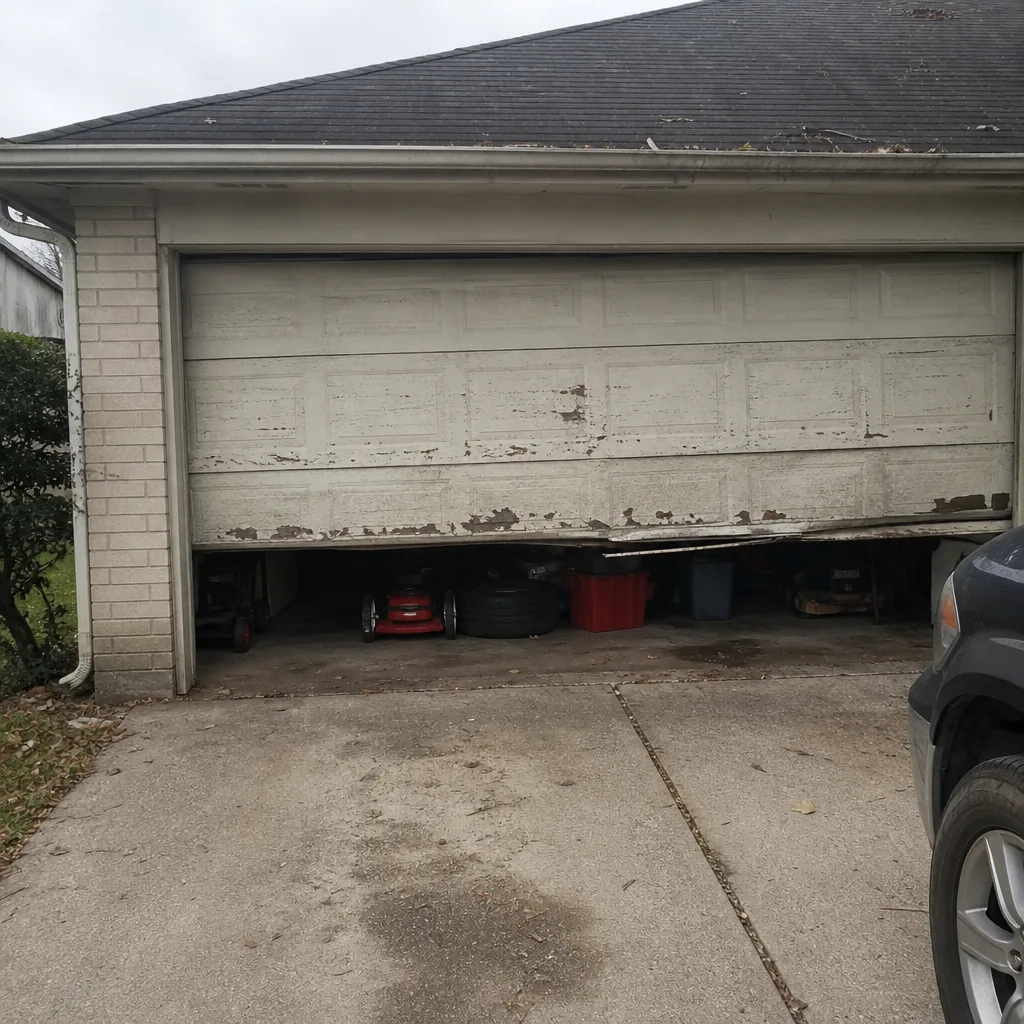 Before
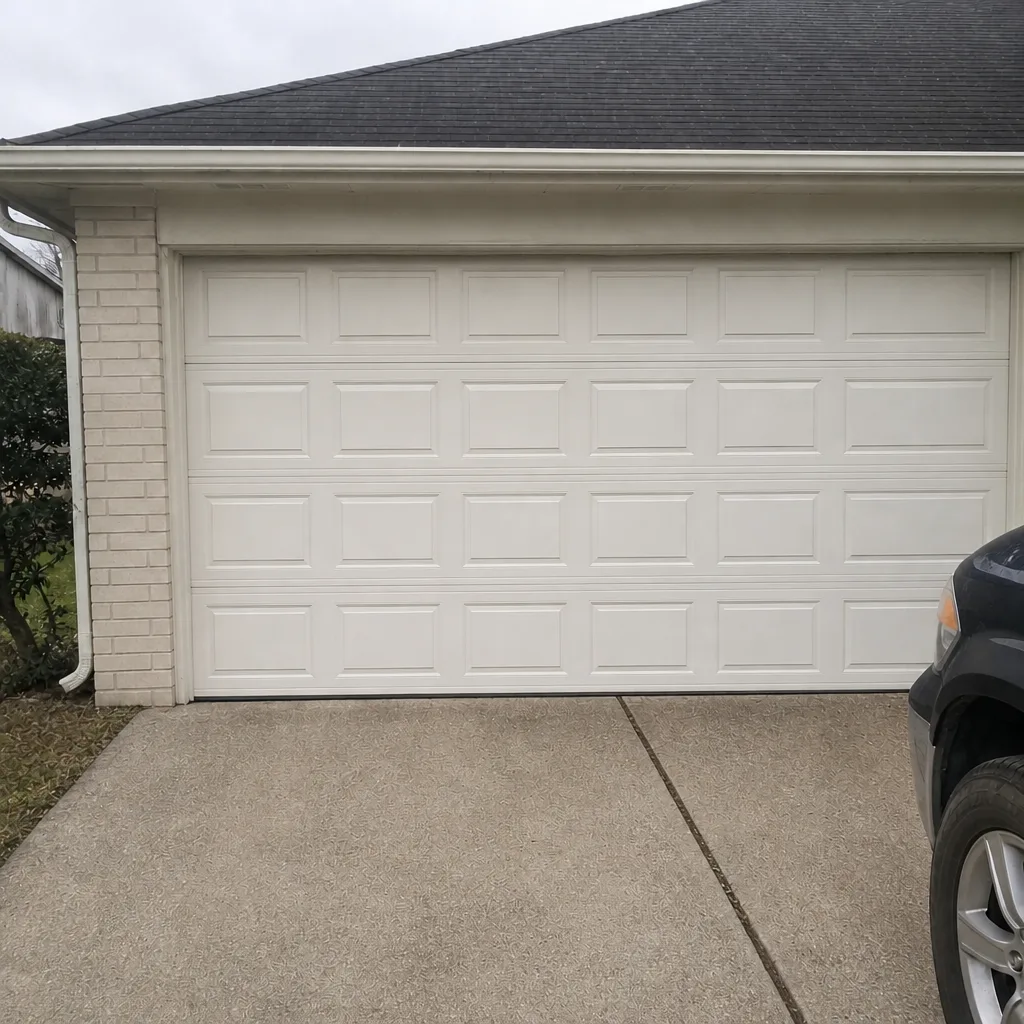 After
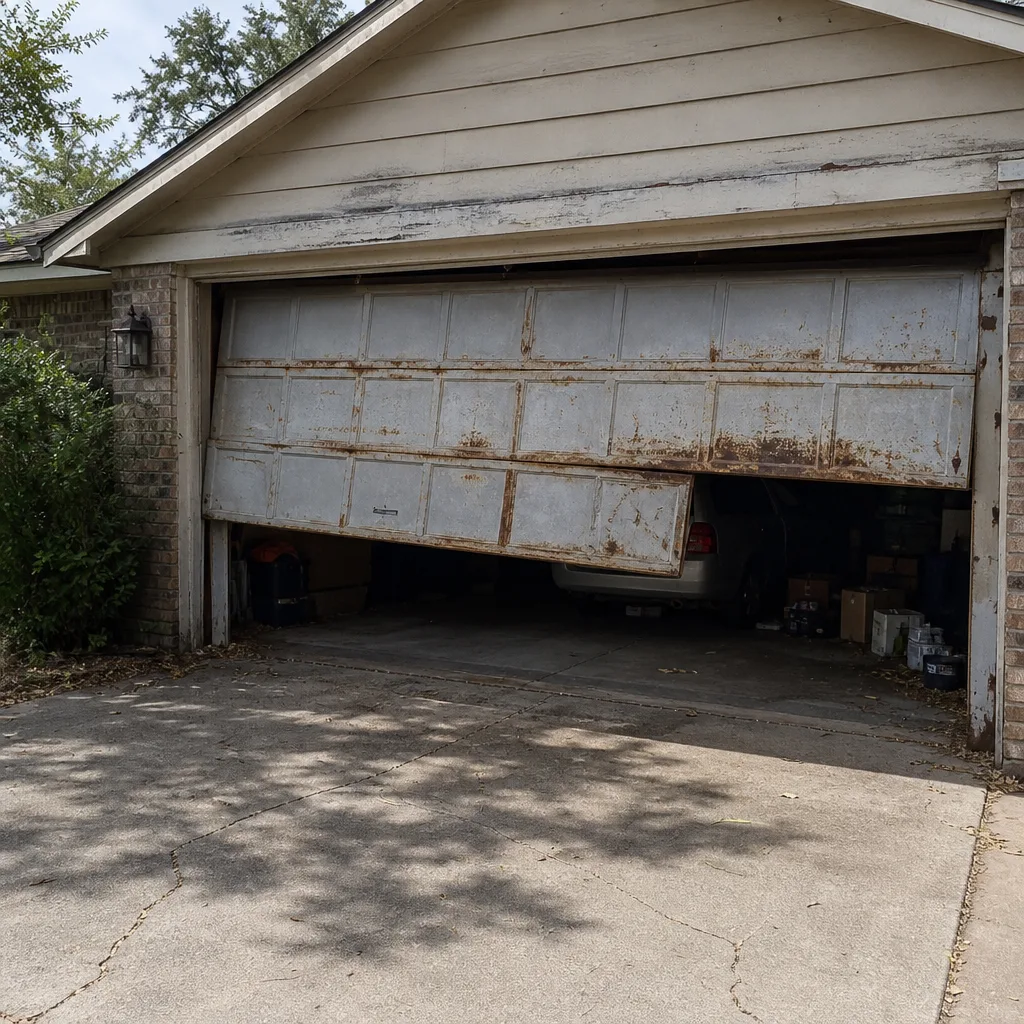 Before
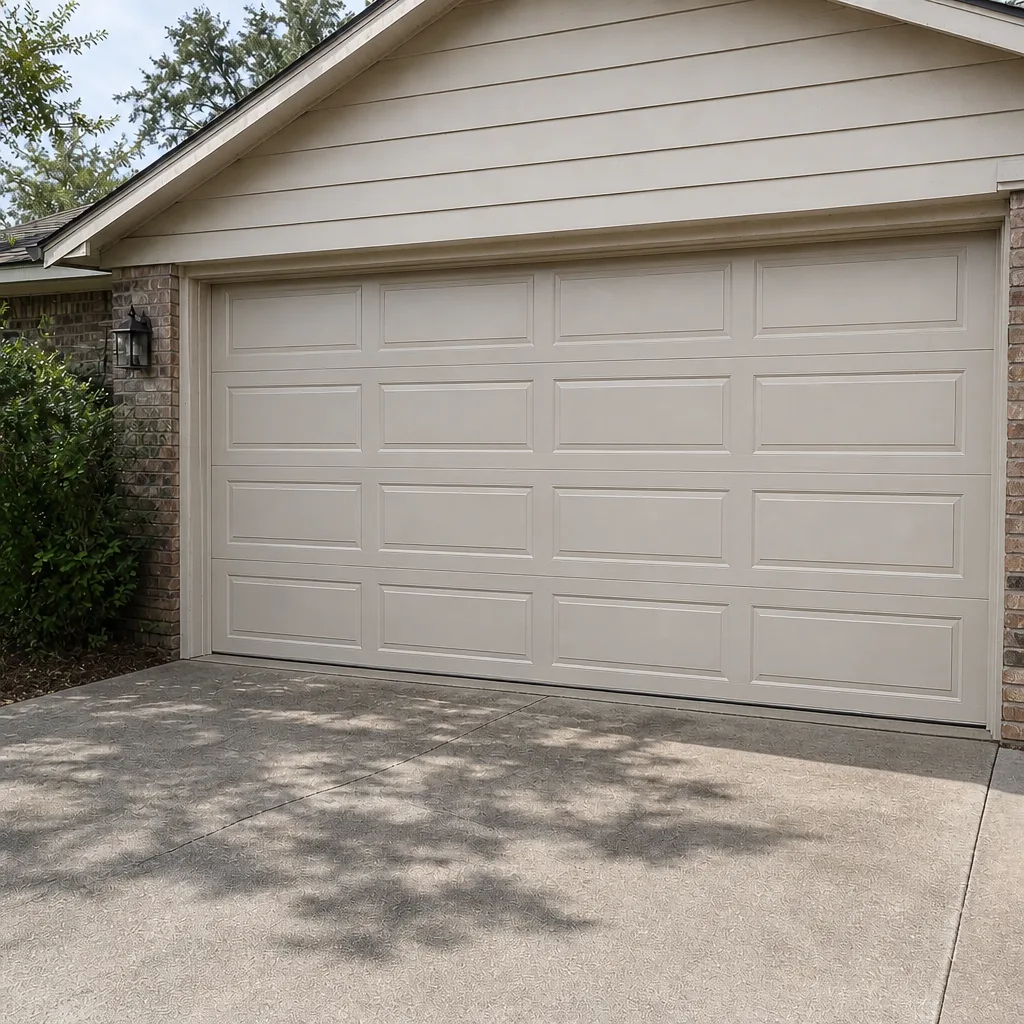 After
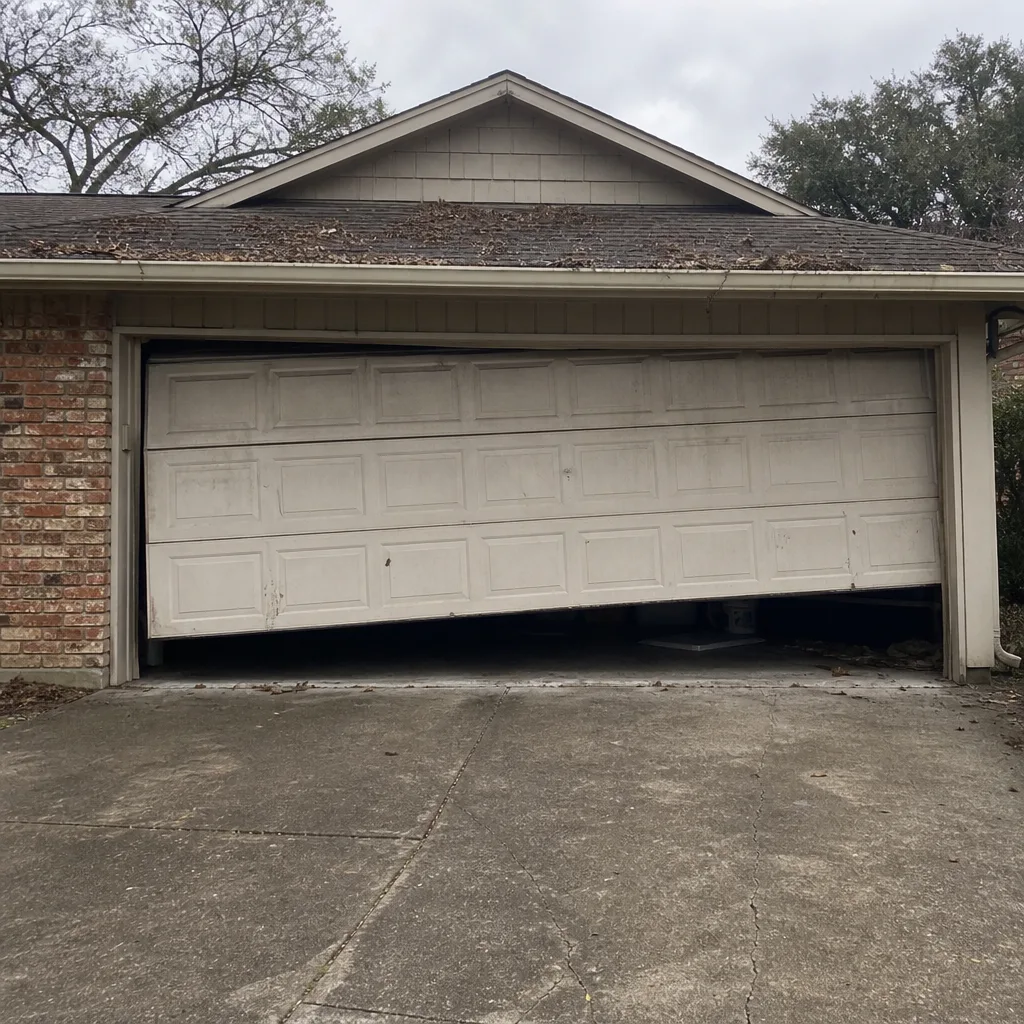 Before
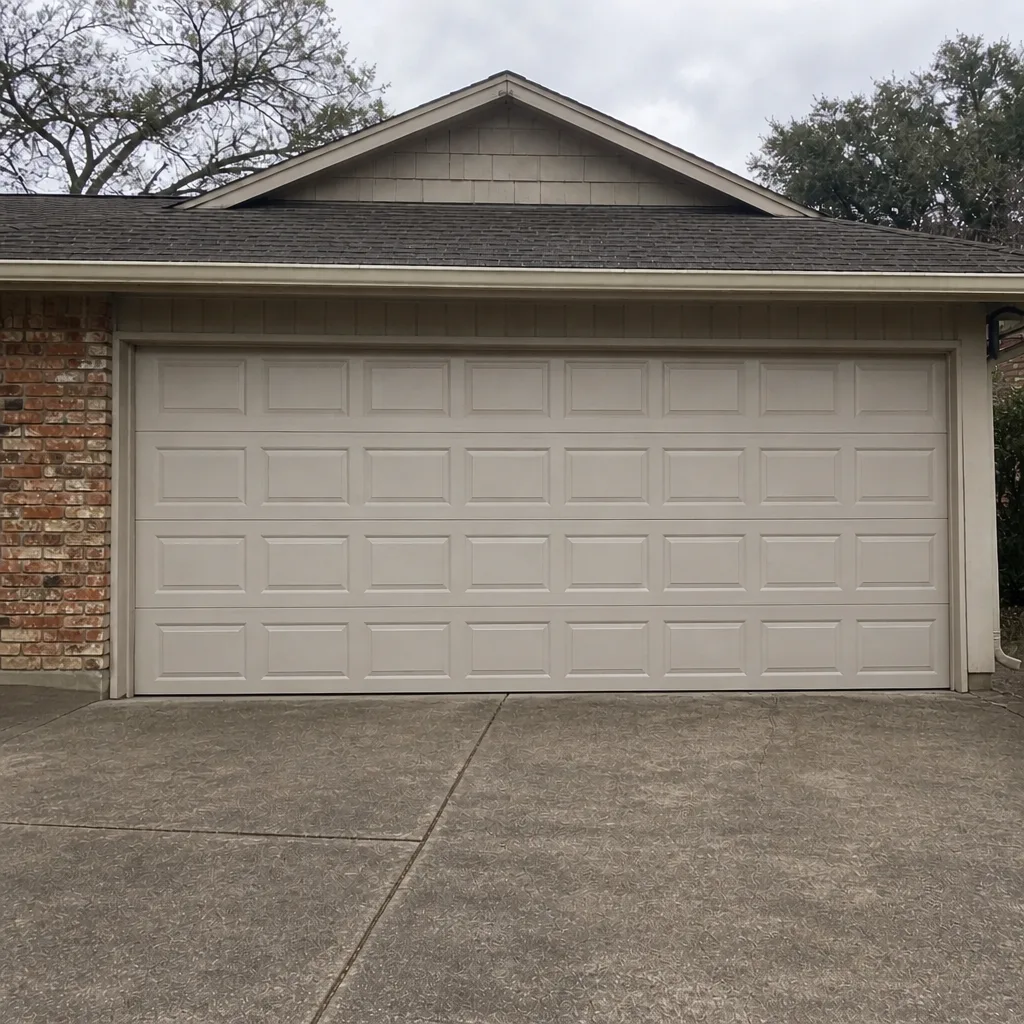 After
When to Call a Professional
Call a professional when the door has a broken spring, a cable off the drum, a bent track, or a panel that has shifted, and anytime the door won’t lift with modest effort on manual release. Call if the opener runs but the door doesn’t move, if the door reverses without an obstruction, or if you see or hear anything that suggests stored energy is not under control. These are the calls that shouldn’t wait, especially in Memorial during storm season when the repair backlog builds fast. Garage Door Repair Memorial offers free estimates in Memorial. Call (877) 492-2056. We answer 24/7, with fast dispatch from 7am to 7pm, Sunday through Friday, and the price is quoted and agreed before any work starts. Our technicians have up to 11 years of experience with the brands already on Memorial homes, including LiftMaster, Chamberlain, Genie, and Raynor.
Frequently Asked Questions
Use the manual release: close the door fully, pull the release cord or handle at the carriage, then lift the door by hand from the bottom section. If your opener has battery backup, check that first, since a charged backup may run the door for a few cycles without the release. Practice this before you need it, because the release is much harder to find in the dark.
Only with a helper, and only if the door lifts smoothly on manual release with the cables staying on the drums. If it binds, feels extremely heavy, or a cable lifts off, stop and leave the door closed. A cable that comes loose under load can cause serious injury. Spring replacement is work for a trained technician, and our technicians have up to 11 years of experience with exactly this repair. Call (877) 492-2056 for a free estimate.
Prices are set per job by the written estimate, quoted and agreed before any work starts, so the number depends on what has failed and what parts are needed. Spring repair, opener repair, and panel work are all priced separately. We don’t quote a figure over the phone without seeing the door. Call (877) 492-2056 for a free estimate; the written price is the price.
Test the manual release, check the bottom seal and weather stripping, look for bent track or loose hinges, and confirm the opener’s battery backup status. Keep the door closed and locked during the storm, and clear the area around the door so the track isn’t blocked afterward. Do all of this before the storm, not during the outage.
We work on equipment from eight major brands: LiftMaster, Chamberlain, Genie, Clopay, Amarr, Wayne Dalton, Craftsman, and Raynor. That means we work on the brand already on your home rather than steering you toward a preferred brand. For opener-specific work, our garage door opener repair service covers both legacy and smart-connected systems.
The written estimate sets the final price, and it’s agreed before any work starts. If we find an additional problem while working, we stop and explain the new scope and price before continuing. Nothing gets added to the bill without your agreement first. Call (877) 492-2056 for a free estimate.
Spare remote batteries, a spare emergency release handle and cord, safety sensors, a few hinges for your door’s gauge, and a printed copy of the opener manual with the model number visible. Measure your bottom seal profile and keep a spare section. Don’t keep a spare torsion spring; those are matched to the door and installed by a technician.
The Bottom Line
Garage door emergency readiness in Memorial is three things: practice the manual release on your specific opener, never force a door with a broken spring or slack cable, and prep the door before the storm rather than during it. Keep a short list of emergency parts on hand, know your door and opener model numbers so a call gets the right parts on the first trip, and run a monthly check that catches failures before they strand a vehicle. Most of what’s in this guide takes an afternoon to set up. The rest is routine. When a repair is beyond a monthly check, Garage Door Repair Memorial can handle it from diagnosis through parts and installation, and the price is quoted and agreed before any work starts.
If your door isn’t working right now, call (877) 492-2056 for a free estimate. We answer 24/7, with fast dispatch from 7am to 7pm, Sunday through Friday. Whether you need a spring replaced, an opener diagnosed, or a full new door measured and installed, the first step is the same: a clear description of the problem and a written estimate before anything begins. For the full range of what we handle across Memorial, our garage door repair and garage door installation services are the places to start.
Written by the team at Garage Door Repair Memorial.