
Last updated November 21, 2026
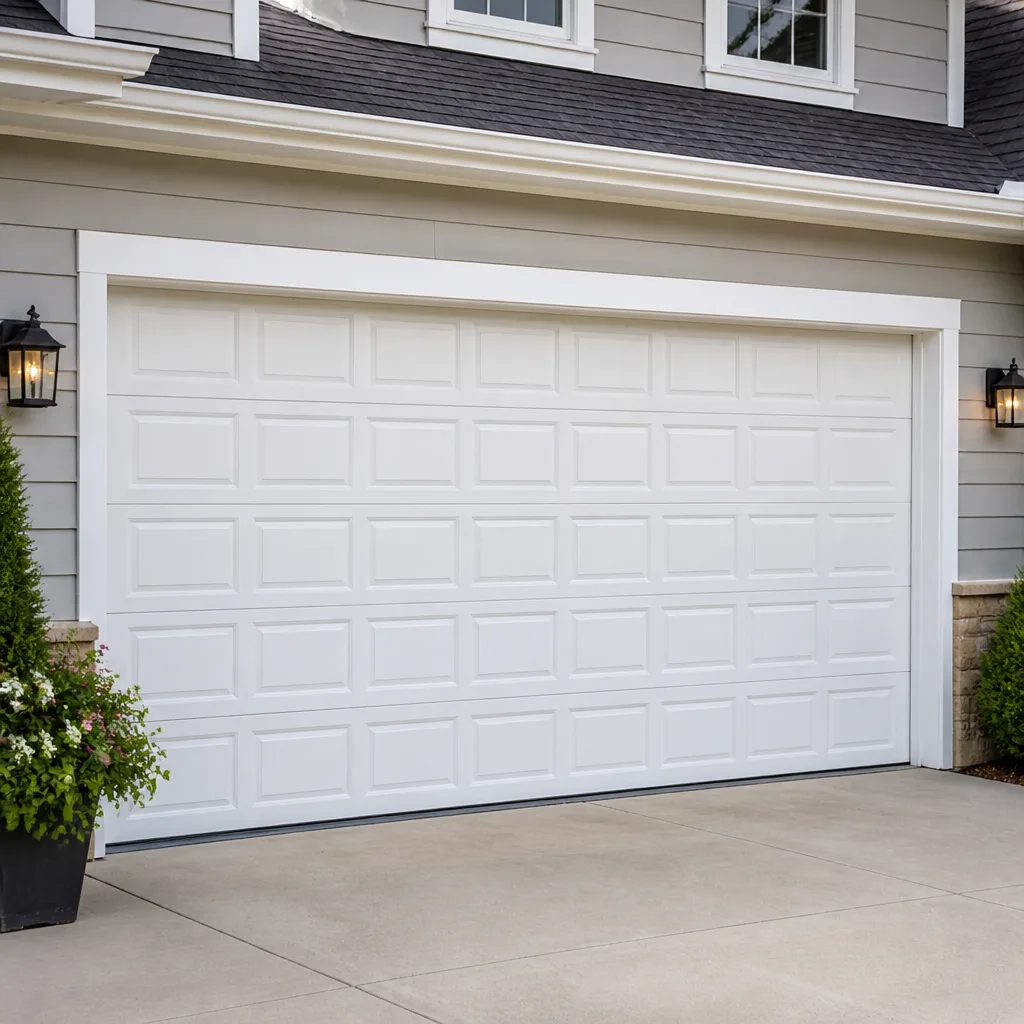 Raised-panel steel
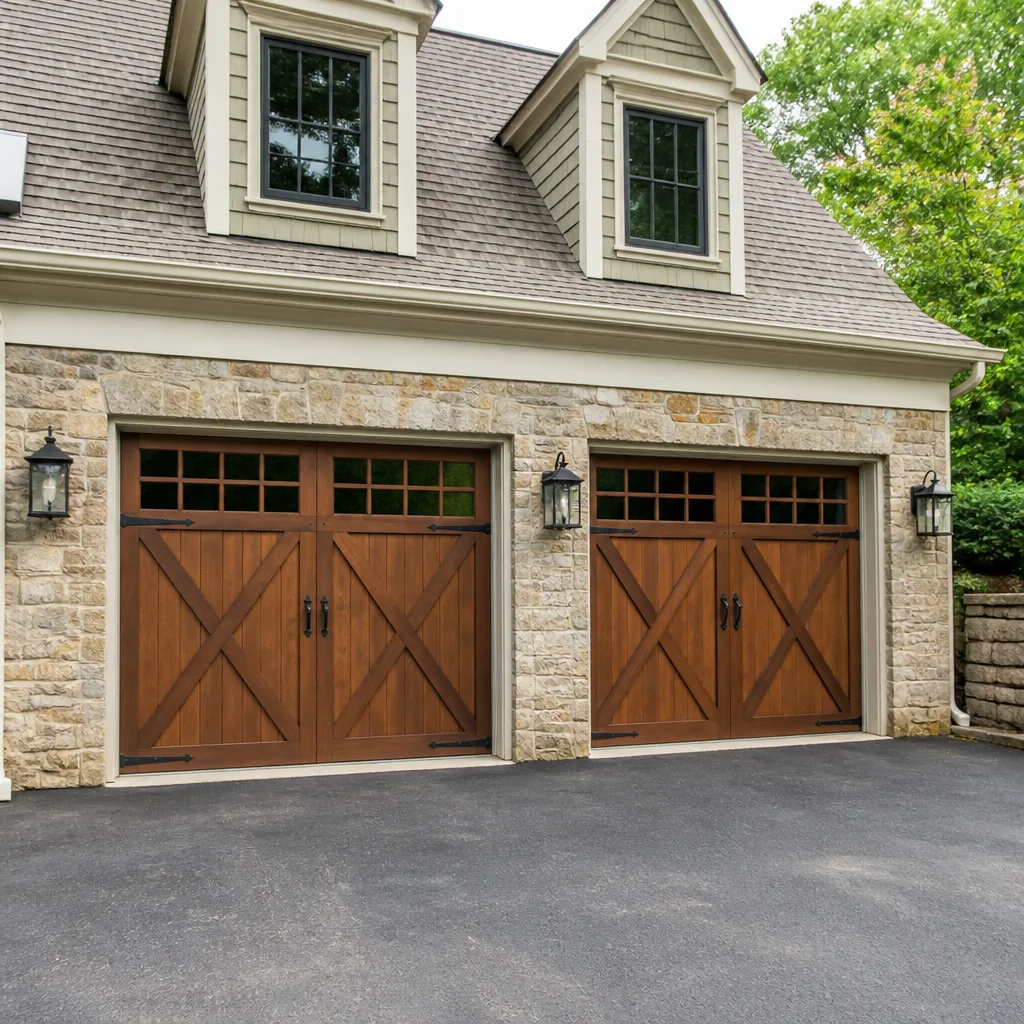 Carriage house
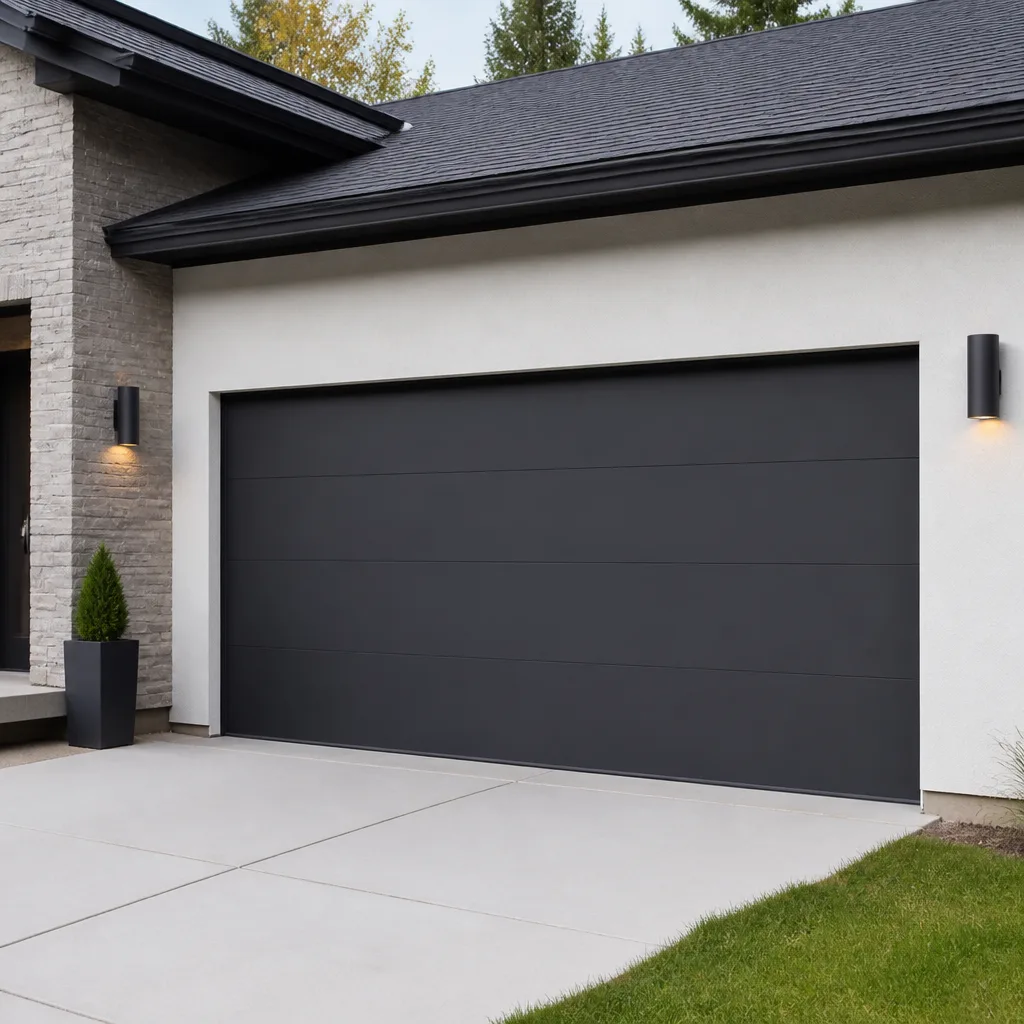 Modern flush
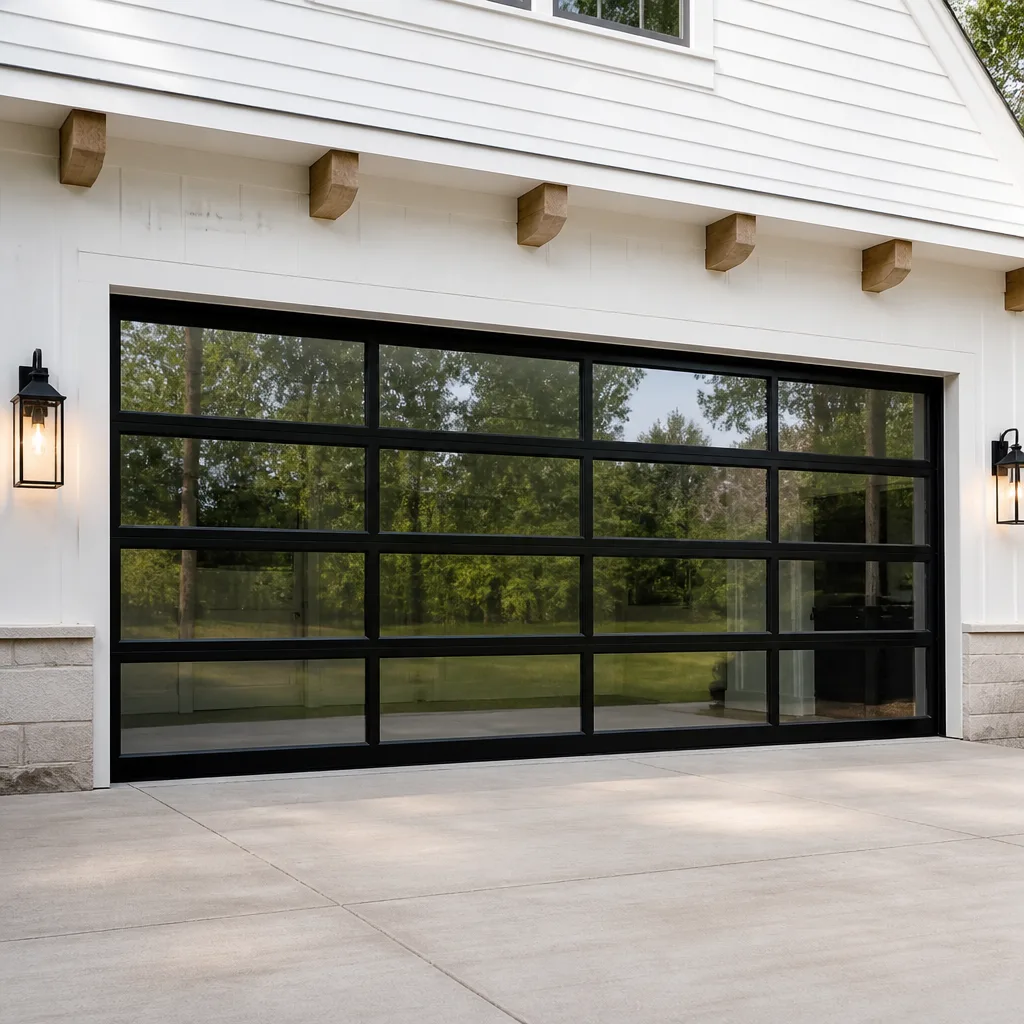 Full-view glass
 LiftMaster openers
 Chamberlain openers
Full 25-point door and opener safety check with every visit - springs, cables, rollers, tracks, and your LiftMaster or Chamberlain opener included
You get a price before we start. It does not change when the pro arrives.
Get your free estimateGarage Door Repair Maintenance Schedule: What to Do and When
Most homeowners think of garage door care as a calendar chore: spray something on the tracks twice a year, call someone when it breaks. That gets the math backwards. Torsion springs don’t wear out because a season passed. They wear out because they’ve been cycled, one open-and-close at a time, and every household racks up cycles at a different rate. A family that opens the door six times a day will exhaust a standard spring far sooner than a retired couple who uses the garage as a workshop and leaves the door shut. The calendar can’t tell you when that spring is done. Your usage can.
This guide builds a maintenance schedule around how each component of your door actually degrades in Memorial, where the warm, humid Gulf air changes what works and what backfires. You’ll learn how to calculate your own cycle usage, run a ten-minute monthly walk-around with real pass/fail criteria, tell apart what you should handle and what belongs to a technician, and log it all so a failure gets diagnosed fast. Garage doors are our only business, so we’ve watched a lot of these schedules succeed and fail.
Quick Answer
A garage door needs a ten-minute homeowner inspection and light lubrication every month, a deeper check of balance, alignment and hardware every six months, and a professional service visit once a year. Springs and cables are replaced on cycle count rather than the calendar: a household that cycles the door six times a day should plan on a torsion spring replacement in under four years, while a lighter-use home may stretch that well beyond. In Memorial’s humidity, use a silicone- or lithium-based lubricant and skip anything that stays tacky and collects grit.
Styles & brands we work with
- Raised-panel steel
- Carriage house
- Modern flush
- Full-view glass
- LiftMaster openers
- Chamberlain openers
Table of Contents
- Why Cycle Count Beats the Calendar for Springs
- How to Calculate Your Household’s Cycle Usage
- The Memorial Humidity Protocol: What to Lubricate and What to Avoid
- The 10-Minute Monthly Walk-Around
- The Six-Month Deep Check
- Homeowner Tasks vs. Professional Tasks: The Clean Split
- How to Log Maintenance So It Pays You Back
- Common Mistakes to Avoid
Why Cycle Count Beats the Calendar for Springs
A garage door spring is a piece of steel that twists and untwists every time the door moves. Each of those movements is one cycle, and the spring is rated to survive a set number before it fatigues and snaps. That rating has nothing to do with how many months or years have passed. A door that cycles ten times a day hits the same wear in a fraction of the time as a door that cycles twice. This is why “my spring is only four years old” is not a defense; the spring may have lived a full life while a lower-use spring next door is still going strong.
Standard residential torsion springs are commonly rated for somewhere around ten thousand cycles, while heavier “high-cycle” springs are rated for substantially more. We mention ratings in general terms because the exact number is stamped by the manufacturer, not us. What matters is the concept: replacement intervals are set by usage, and usage is something you can actually measure.
Here’s what that means in practice for a Memorial household. If you want a spring to last, you either use it less or you ask for a higher-cycle spring that’s built to take more use. There’s no lubricant in the world that resets a spring’s cycle count. So the maintenance schedule treats springs differently from everything else on the door: you don’t “service” a spring into lasting longer. You track the cycles and replace it on a schedule that matches your actual household, ideally before it breaks and strands a car.
Springs vs. everything else
Nearly every other part of the door can be maintained to extend its life. Rollers wear out, hinges loosen, tracks drift, weather seals crack, lift cables fray, and openers develop their own quirks. Those respond to cleaning, adjustment and lubrication. The spring is the one component where the steel is doing the hard math for you with every cycle. Knowing that difference is the whole foundation of a maintenance calendar that actually works in Memorial.
How to Calculate Your Household’s Cycle Usage
You don’t need special tools to figure out your cycle rate. You need a week of awareness and a little arithmetic. Here’s the method we recommend to homeowners who want a real replacement interval rather than a guess.
- Count a normal day. Every full open-and-close of the door is one cycle. A morning departure plus an evening return is two people times two cycles, so four. Add drop-offs, trash days, deliveries and any time someone forgets something and goes back in. Don’t estimate; actually tally one full day.
- Repeat for three days and average. Weekdays and weekends differ, and so do seasons. Do three representative days and divide by three to get a daily average.
- Multiply by 365. That’s your annual cycle count. A household at six cycles a day lands around 2,190 cycles a year; a light-use home at two a day lands around 730.
- Compare against your spring’s rating. Check the sticker or tag on the spring, or ask a technician to read it. Standard residential springs commonly sit near ten thousand cycles. Divide the rating by your annual cycles to get your real replacement interval in years.
Run that math and the practical difference is stark. Six cycles a day against a ten-thousand-cycle spring means you’re due in roughly four and a half years. Two cycles a day stretches the same spring to more than a decade. Neither household did anything wrong; the usage is simply different. That gap is exactly why a fixed “replace every five years” rule is unreliable, and why a Memorial home with three drivers coming and going daily needs to plan differently than one with a single commuter.
Once you know your interval, put a note on the calendar at 80 percent of it. That’s your planning window to arrange a replacement before the spring fails on its own. When you’re ready for that, our garage door repair service handles spring replacement as a scheduled job with the price set before any work starts.
The Memorial Humidity Protocol: What to Lubricate and What to Avoid
Memorial sits in a warm, humid Gulf climate, and that changes the lubrication rules in a way that northern garage door advice tends to miss. Humidity does two things. It encourages rust on bare steel like the tracks, hinges and any exposed cable ends. And it keeps certain lubricants soft and tacky long after they would have dried in a drier place. A tacky surface is a magnet for grit, dust and pollen, and grit in the wrong place turns a smooth roller into sandpaper.
So the question isn’t “should I lubricate” but “with what.” Here’s how we think about the choices in this climate.
What performs well in Memorial’s humidity
- Silicone-based spray lubricant on moving metal parts. It goes on cleanly, doesn’t stay gluey, and it doesn’t grab grit near as much as heavier greases in warm, wet air.
- Lithium- or white-lithium grease applied sparingly to hinges and the torsion assembly, which benefit from a touch of persistence under load. Use it lightly; a thick coat here just traps dust.
- A dry or low-residue spray on rollers, or nothing at all on sealed bearing rollers, which typically come lubricated and don’t need to be drowned.
What to avoid near the coast of a Gulf summer
- Heavy axle grease or old-fashioned oil wiped onto the tracks. It feels like it’s helping but collects grit and gum over time, and grit wears the rollers faster.
- Tacky chain lube meant for motorcycles on an opener’s chain or rail. It gets stringy in the heat and holds debris.
- Any lubricant on the tracks’ interior surface. Tracks should stay clean and dry. Lubricating them sounds sensible and does the opposite of what you want.
Wipe rust-prone spots on the tracks and hinges with a clean cloth and a light coat of silicone after each wet season. A quick touch-up here beats a rust-based repair job later. This is one of those maintenance habits that’s nearly free and quietly prevents the corrosion that Memorial’s humidity would otherwise invite.
The 10-Minute Monthly Walk-Around
This is the core of the whole schedule, and it’s short enough that there’s no excuse to skip it. You’re not disassembling anything. You’re looking, listening and touching, with clear criteria so “inspect for wear” actually means something. Do this once a month, in daylight, with the door closed and then cycled a few times.
- Look at the door from inside, door closed. Pass: panels look even and square, no daylight peeking through the middle of hinges or gaps that weren’t there before. Fail: a visible gap, a sagging corner, or a gap that changes when you lean on the door.
- Cycle the door and listen. Pass: a smooth, steady hum with no grinding, popping or scraping. Fail: any grinding (often rollers or tracks), a loud pop (often a spring or hinge), or a rhythmic scrape (often a roller dragging).
- Watch the door travel. Pass: it moves up and down in a straight, even line and sits flush when closed. Fail: it jerks, wobbles, drifts to one side, or stops short of the ground or the open position.
- Touch the hinges and rollers with a gloved hand. Pass: all rollers seated in their brackets, hinges tight, no obvious wobble. Fail: a roller popped out of the track, a loose hinge, or a roller that spins freely and sloppily because it’s worn.
- Check the reversal safety feature. With the door open, place a roll of paper towels or a shoe where the door would land and close it. Pass: the door reverses when it contacts the object. Fail: it doesn’t reverse, or it reverses on its own mid-travel. That second behavior means the photo-eye or edge sensor needs attention, and you should not use the door until it’s fixed.
- Glance at the balance. With the door in the middle position and the opener disengaged, it should hold roughly in place. Pass: it stays put or drifts only slightly. Fail: it slams down or shoots up, which points to spring tension that no homeowner should adjust.
If everything passes, you’re done in ten minutes and you’ve likely caught nothing this month, which is the goal. If one thing fails, note it in your log and address it before it becomes a bigger repair. The photo-eye and reversal check is the one most often skipped and the one that matters most, so never cut that step to save time in Memorial.
The Six-Month Deep Check
Twice a year, add a half-hour pass to catch the slow drift that a monthly glance won’t reveal. This is where you set aside time to properly clean, lubricate and look harder at the parts that move under load. Pick one spring and one fall weekend and treat it as the seasonal reset.
During the six-month check, do these in order:
- Clean the tracks thoroughly. Wipe the interior with a damp cloth until the rail runs clean, then dry it. Don’t lubricate the track surface afterward. A clean, dry, straight track does its job.
- Lubricate the moving joints. A light application of the appropriate product from the humidity protocol above on hinges, the torsion assembly and any exposed metal pivot points. Wipe off excess so it doesn’t trap grit.
- Inspect cables and drums visually. Look for fraying, kinks or slack in the lift cables. Do not touch or attempt to adjust them. If something looks off, that’s a technician call.
- Check weather seal and bottom seal. Run a hand along the bottom rubber; cracking or a gap to the floor means the seal is due. A worn seal lets in water, wind and pests, and it slightly loads the door unevenly.
- Look at the opener’s hardware. Chain or belt tension that looks slack, a pulley that seems noisy, or a rail mount that’s worked loose are all things to note. Your opener repair work belongs in this check if anything seems off.
- Confirm the photo-eye safety sensors. Make sure both sensors are aligned, their lenses are clean, and the door reverses as it did in the monthly check.
If the door and opener have been reliable, this six-month reset is all you need between annual professional visits. If the opener keeps acting up between resets, our garage door opener repair service covers both older mechanical units and the newer smart-connected models from LiftMaster and Chamberlain. Diagnose it during a check rather than waiting for it to quit entirely.
Homeowner Tasks vs. Professional Tasks: The Clean Split
The most useful thing a maintenance schedule can do is make the divide between what you should handle and what you shouldn’t completely unambiguous. There’s no partial credit on this. Some jobs are simple and safe. A few involve stored energy that can injure someone badly if handled wrong, and those belong to a trained technician without exception. Here’s the split we suggest for Memorial homeowners.
| Homeowner tasks | Professional tasks |
| Monthly visual walk-around | Spring replacement or adjustment |
| Cleaning tracks and wiping rails | Cable inspection, replacement or re-tensioning |
| Lubricating hinges, rollers and pivot points | Safety-reversal adjustment beyond a simple sensor wipe |
| Cleaning and aligning photo-eye sensors | Roller or hinge replacement |
| Replacing weather seals and bottom seal | Track straightening or re-mounting |
| Noting anything unusual in the maintenance log | Opener internal repair and gear replacement |
| Testing or replacing opener remote batteries | Balance spring tension settings |
| Visual cable check without touching | Bending, twisting or unwinding a torsion spring |
Everything on the right side has one thing in common: it involves tensioned steel, stored mechanical force, or safety systems where a wrong adjustment can defeat the door’s protection. We treat spring work in particular as a named, dedicated specialty because it’s both the most common failure and the most dangerous to attempt without training. Spring replacement is not a DIY repair, and any guide that walks you through winding a torsion spring on your own is giving you advice we’d never give.
The rear torsion system you’d find on many Amarr or Wayne Dalton doors stores enormous force in that bar. One wrong move can cause serious injury, and it can also leave the door unbalanced and unsafe. That’s exactly why the split above is rigid rather than flexible. Your annual professional visit covers everything on the right, so you never have to wonder if you’ve crossed a line.
How to Log Maintenance So It Pays You Back
A maintenance log sounds like busywork until the first time something fails and you can’t remember when it started. A good log turns a mystery into a diagnosis. It also becomes an asset if you ever sell the home, because it’s proof the door was tracked and cared for. Keep it simple. A note on your phone, a page taped inside the garage wall, or a shared note in your household app all work.
Log these six things every time you touch the door’s care:
- Date and your cycle count. Note your current annual average from the calculation above. This tracks spring wear over time.
- What you did. “Cleaned tracks, lubricated hinges, checked reversal” is enough. A short description beats a long blank page.
- The pass/fail result of each monthly item. A “reversal failed, fixed alignment” note tells a technician that safety was once compromised, which changes how they diagnose.
- New sounds or behaviors. “Developed a pop at the top of travel” is gold to a technician. It localizes the problem to a hinge or spring area in seconds.
- Professional visits and what was changed. Keep any work done by a technician alongside the rest, including roller or spring replacements.
- Photos. Snap the door from the inside every six months. A before-and-after shows if panels are starting to sag before you’d notice otherwise.
When you call for an annual service, a log lets the technician skip the guesswork and spend the visit fixing rather than investigating. It also matters if you plan a garage door installation down the line, because the history of your older door tells a new-door installer how hard the opening has been working. If you keep the log consistently, the repair conversation in Memorial gets shorter and more accurate every year.
Store the log where you’ll actually see it, not on a shelf you’ll forget. A wall calendar inside the garage does more for consistency than a detailed app you never open. The habit matters more than the format.
Common Mistakes to Avoid
- Lubricating the tracks. It feels right and does real harm. Tracks should be cleaned and left dry; oil and grease collect grit from the humid May-to-September air and grind your rollers down. Wipe, don’t oil.
- Replacing only one spring when they’re a matched pair. Torsion springs are installed as a matched set and engineered to share the load. Replacing one and leaving the other means the old spring takes the entire burden and fails soon after, often while you’re away. Replace pairs together, and understand a pair costs about twice a single spring.
- Reaching for the winding bar yourself. This is the mistake we worry about most. Adjusting torsion spring tension without training has caused severe injuries in homes like those across Memorial. Leave the winding to a technician.
- Ignoring a door that reverses on its own. That’s not a quirk, it’s a safety sensor calling for attention. Ignoring it defeats the protection built into the door and can injure a child or pet.
- Skipping the log entirely. A door that fails twice in the same season for no recorded reason means a technician starts from zero each visit. A log turns a slow leak into a fast fix.
- Buying a replacement part off the shelf without matching it. Rollers, hinges and openers are specific to the door and system you own. A mismatched part can force the door out of balance or defeat a smart opener’s features. Match the equipment, or have us source the right part.
- Waiting for the spring to snap. A torsion spring that fails under load can also whip, damage nearby parts and leave the car trapped inside a locked-up door. Planning the replacement at 80 percent of your interval avoids the urgent scenario.
See the difference
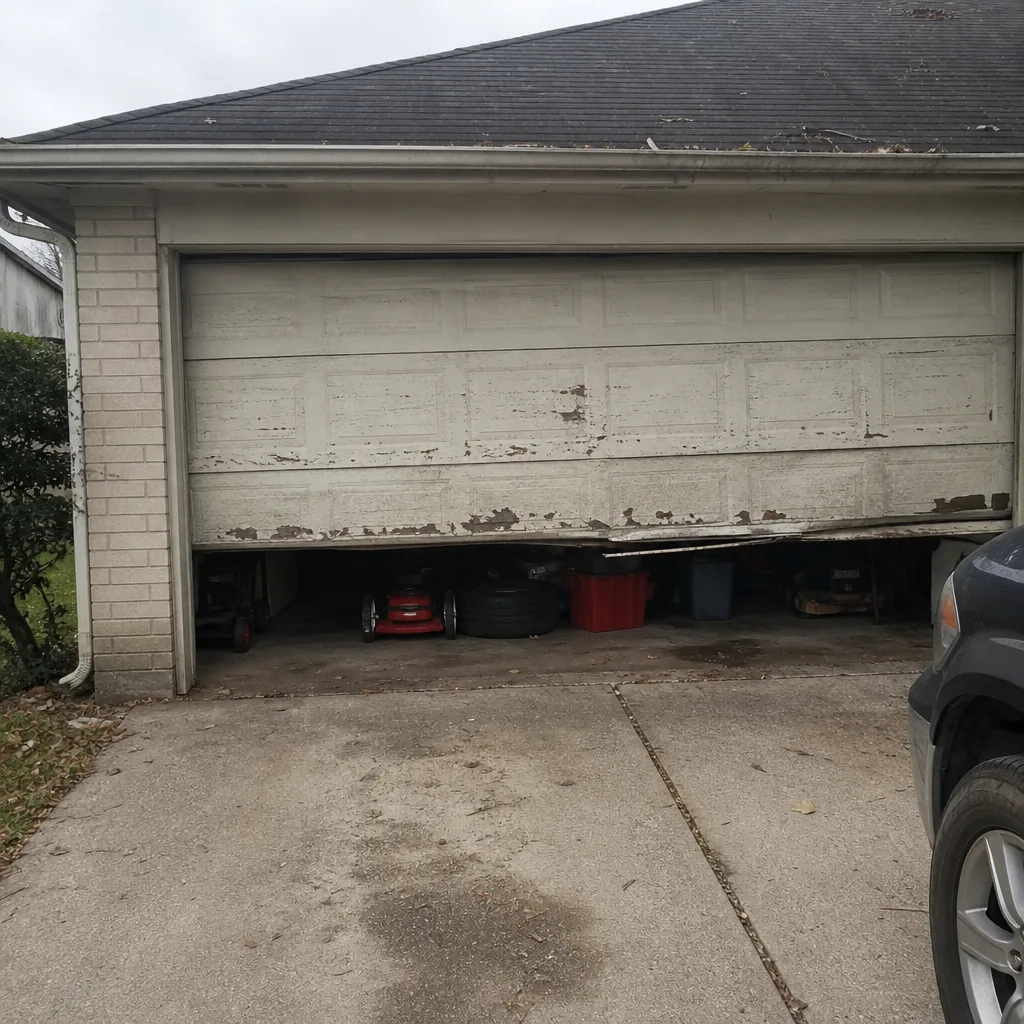 Before
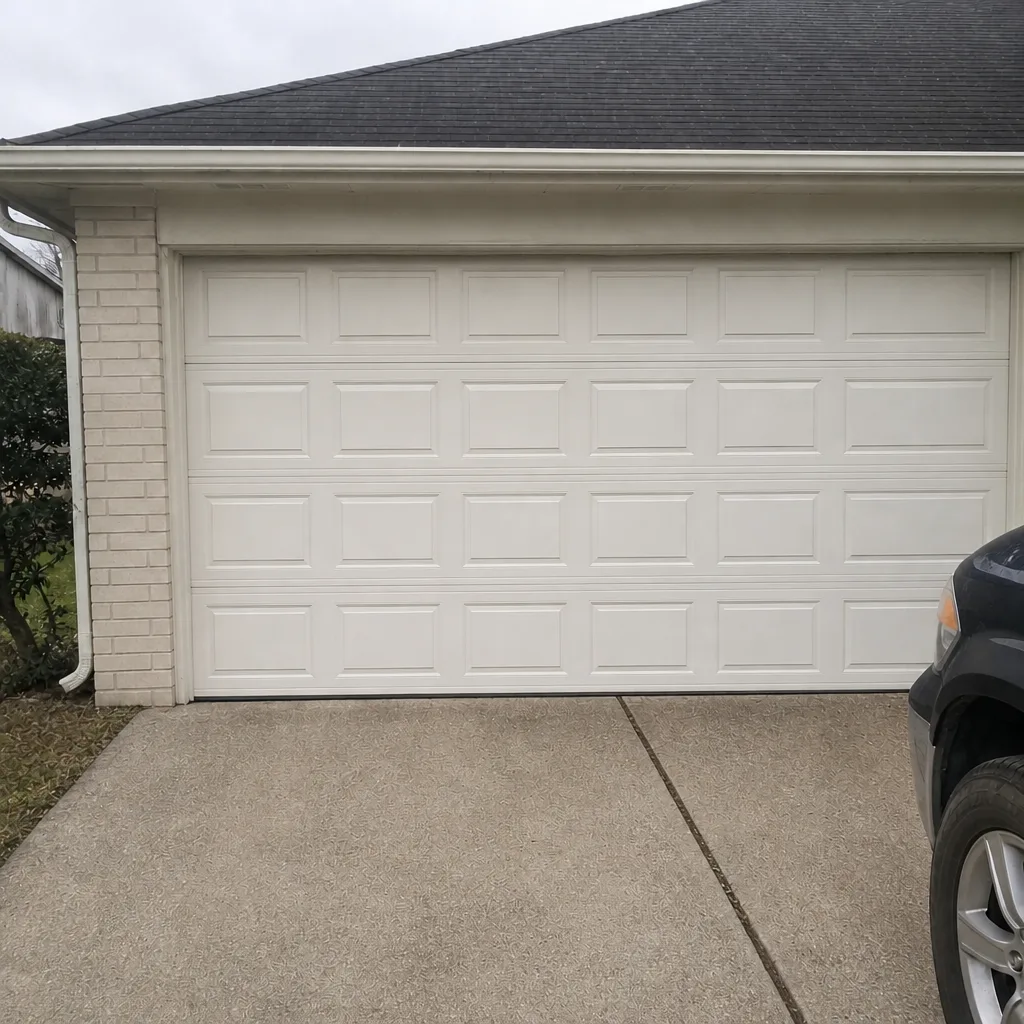 After
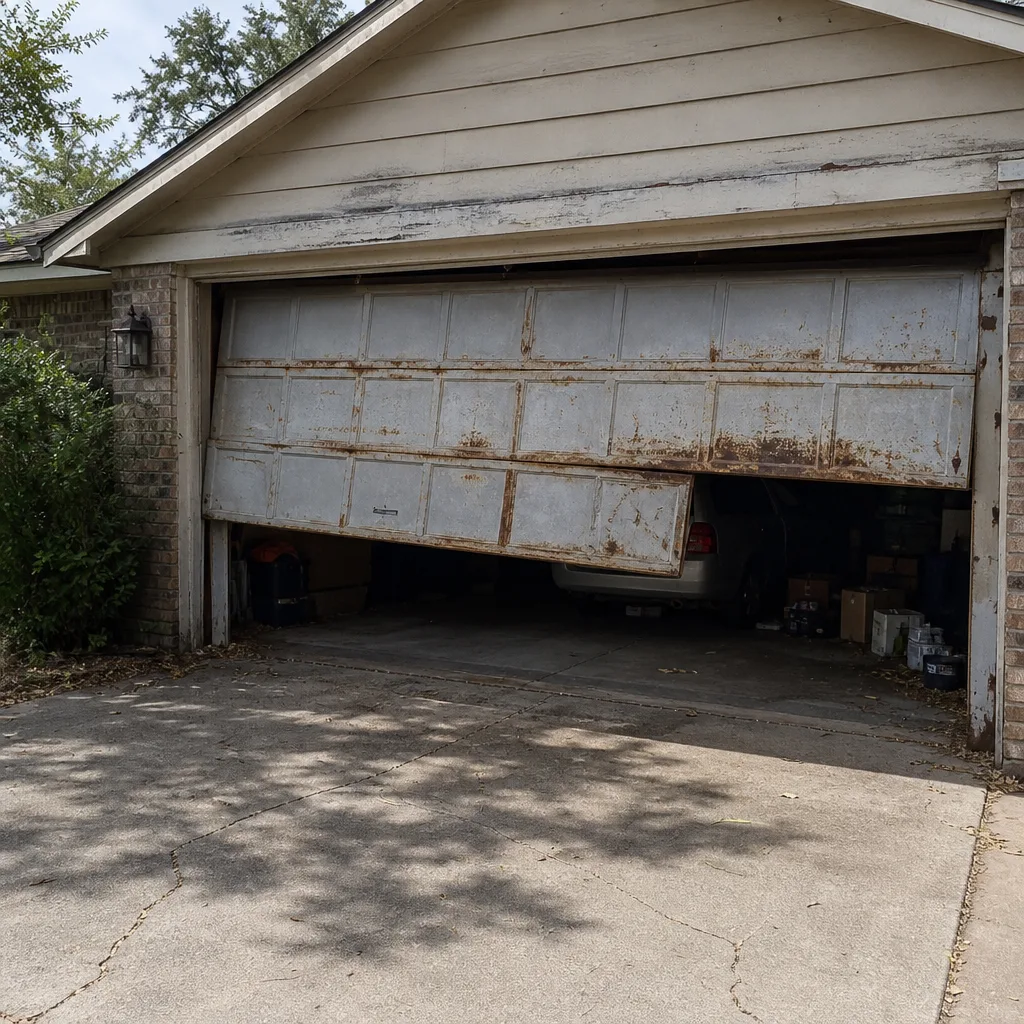 Before
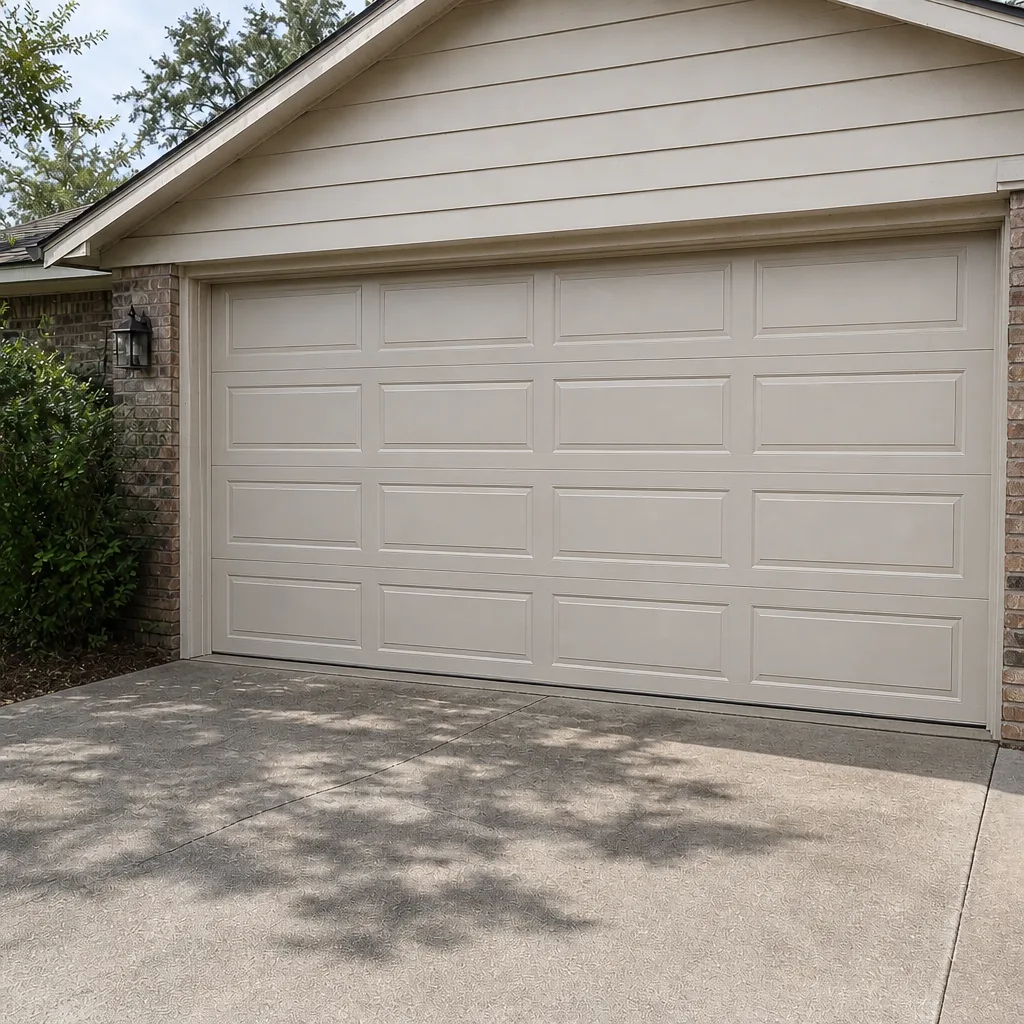 After
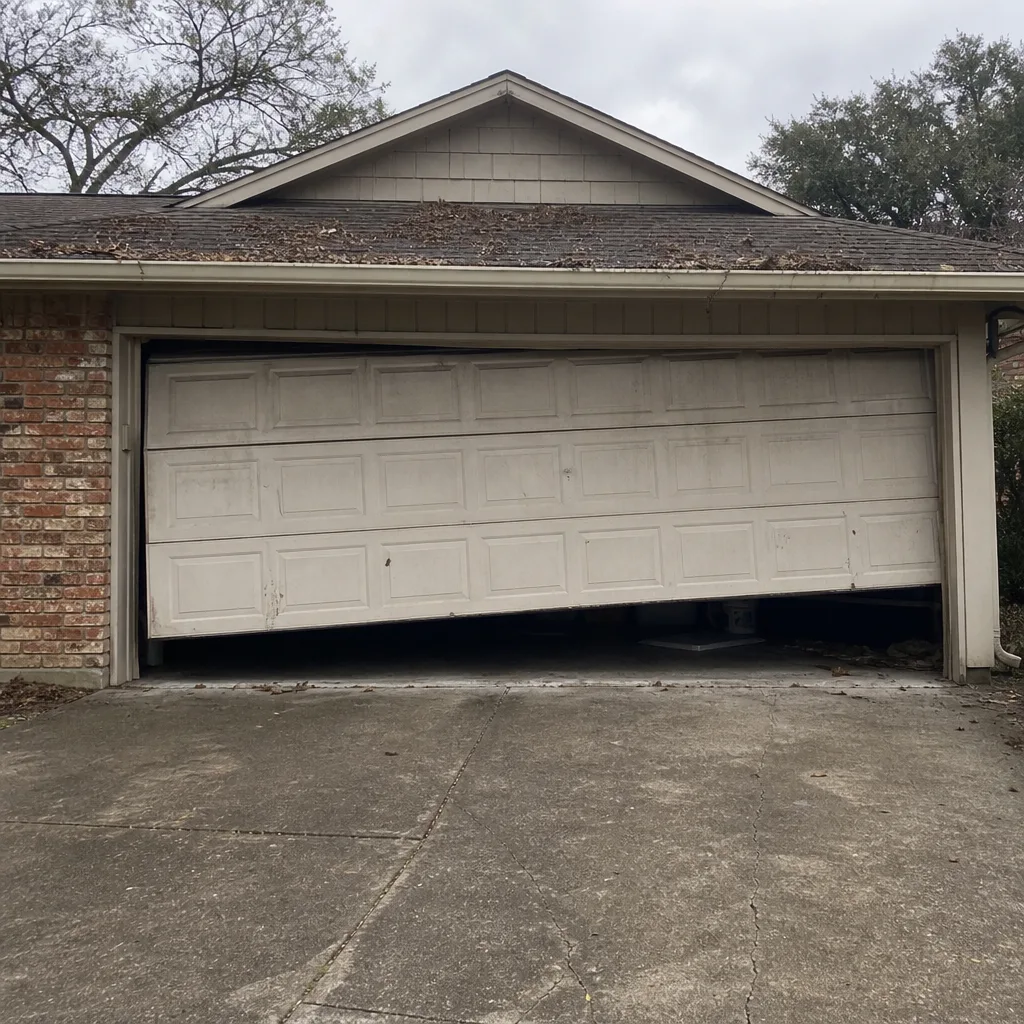 Before
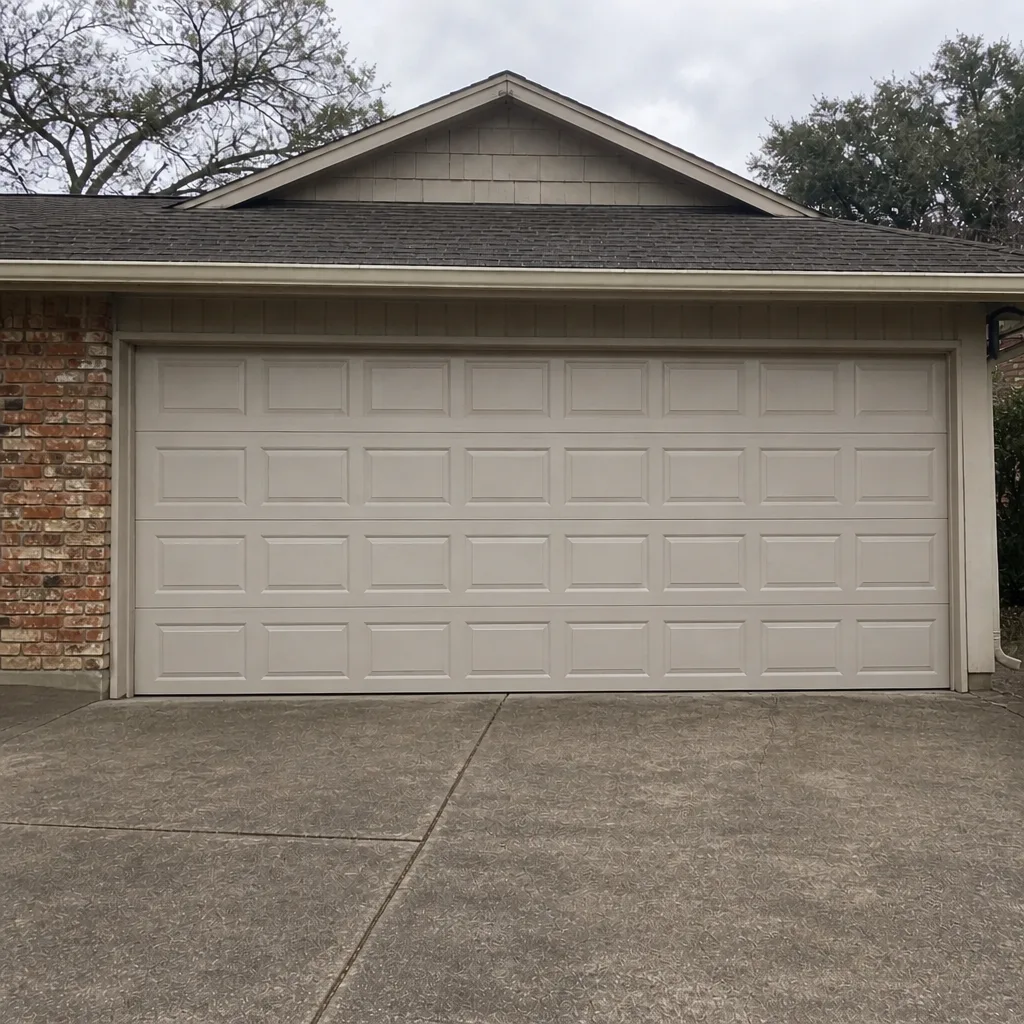 After
When to Call a Professional
Call us when the answer involves tensioned steel or a safety system you don’t fully trust. That means any time you suspect a spring is worn or you’ve calculated that its cycle interval is nearly up. It also means any frayed cable, any door that won’t stay balanced, any track that’s been bumped out of line, and any reversal test that fails or a sensor that keeps tripping. Opener issues that persist past a battery change, a loud grind, or a door that stops partway through travel all belong on the professional side too. We answer 24/7 and offer fast dispatch from 7am to 7pm, Sunday through Friday. Garage Door Repair Memorial offers free estimates in Memorial: call (877) 492-2056 and we’ll send a technician who can diagnose, source the right part and fix it under one roof. From opener diagnostics to full door installation, the whole job stays with us so nothing gets handed off.
Frequently Asked Questions
Once a year is the right baseline for most homes, with a deeper seasonal check of balance and hardware twice a year. The annual professional visit is when a trained technician inspects the parts you can’t safely touch, including the torsion system, cables and balance settings. If your door cycles heavily or you’ve noticed a new noise, call for a visit sooner. Our technicians have up to 11 years of experience working on the brands already installed in Memorial homes.
You can’t know the exact day, but you can calculate the interval and plan around it. Count your daily cycles, multiply by 365, and divide your spring’s rated cycles by that number. A door that cycles six times a day against a ten-thousand-cycle spring is due in under four years. Put a reminder on the calendar at 80 percent of that interval and schedule the replacement before the spring fails. Call (877) 492-2056 for help reading your spring’s rating and planning the job, with estimates free.
A silicone-based spray on moving metal parts is the safest choice in the warm, humid Gulf climate, with a sparing amount of lithium grease on hinges and the torsion assembly and nothing on the tracks themselves. Avoid heavy grease and tacky chain lubes that stay soft and trap grit and pollen. The goal is a clean, dry-running door, not a greasy one. If you’re unsure which product suits your door, we’re glad to point you to the right one.
No, and we’d strongly advise against it. Torsion springs hold stored energy that can cause serious injury when released without warning, and the adjustment process requires specialized tools and training. Manufacturers and safety organizations advise against DIY spring work for that reason, and spring replacement is a dedicated service we offer precisely because it’s the repair most often botched by homeowners. Call (877) 492-2056 and we’ll handle it safely, with the price quoted before any work begins.
No. The written estimate is the price, and nothing gets done before you’ve agreed to it. A technician inspects the door, explains what needs replacing, and gives you a written price to approve. We answer 24/7 and dispatch Sunday through Friday, 7am to 7pm. Call (877) 492-2056 for your free estimate on any maintenance or repair work in Memorial.
Not the routine for the door itself, but a new install resets your spring cycle count to zero, so recalculate your interval from the day the door is installed. New doors are commonly specified with riders who open and close at a set pace and don’t have prior wear, so annual professional visits become your main check for several years. If you’re weighing a new door against repair, our free estimate can help you compare the two honestly.
Key Takeaways
- Springs wear on cycles, not the calendar, so calculate your dry cycle count and set replacement intervals accordingly.
- Ten minutes of monthly looking, listening and touching catches most problems before they become urgent.
- In Memorial’s humidity, use silicone- and lithium-based products and never lubricate the tracks.
- Keep the professional work strictly professional: springs, cables and balance belong to a technician.
- Keep a simple log so a failure gets diagnosed in minutes, not from scratch.
The Bottom Line
The maintenance schedule that lasts is the one built around how your door actually wears. Springs are the one part rated by cycle count, so your household’s daily use sets the replacement clock. Everything else responds to a monthly ten-minute walk-around, a six-month clean-and-lubricate reset, and an annual professional visit. In Memorial’s humid air, the products you choose matter as much as when you apply them. Do the safe checks, hand off the tensioned steel, and keep a plain log so you always know where the door stands. If this is our only maintenance guide, we want it to be the one you actually follow: the door on your home is a system of many parts, and none of them should be left to guesswork.
Have a door that’s making a new sound, or you’re ready to schedule a spring replacement? Call (877) 492-2056. We answer 24/7 and offer free estimates in Memorial.
Written by the team at Garage Door Repair Memorial.