
Last updated November 21, 2026
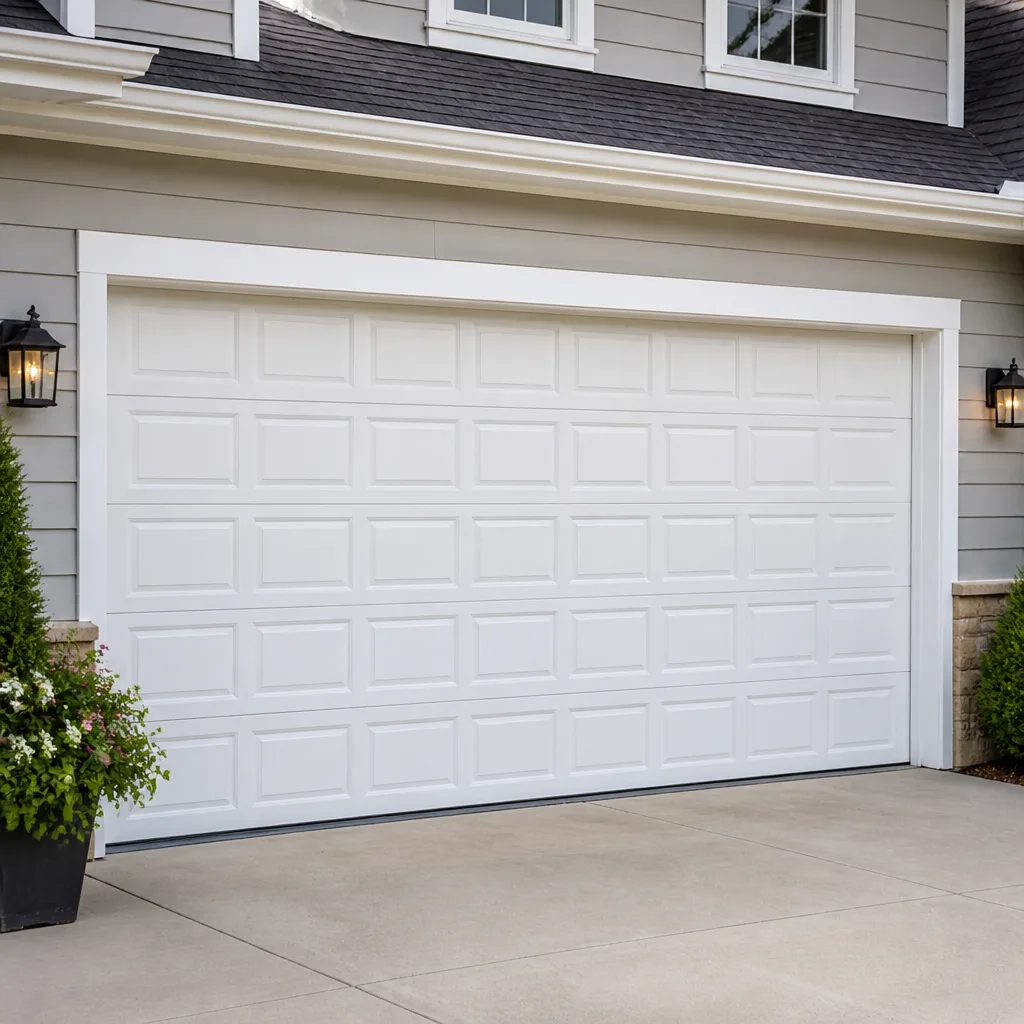 Raised-panel steel
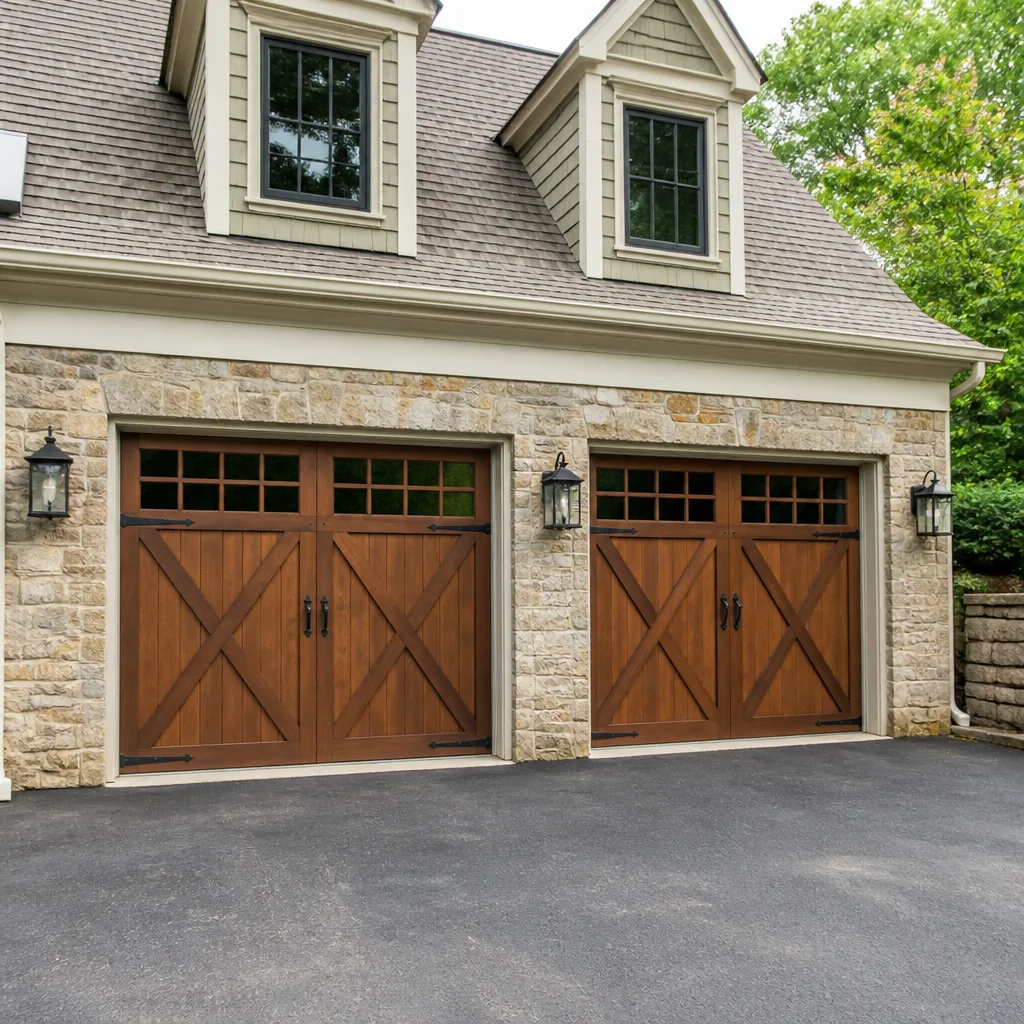 Carriage house
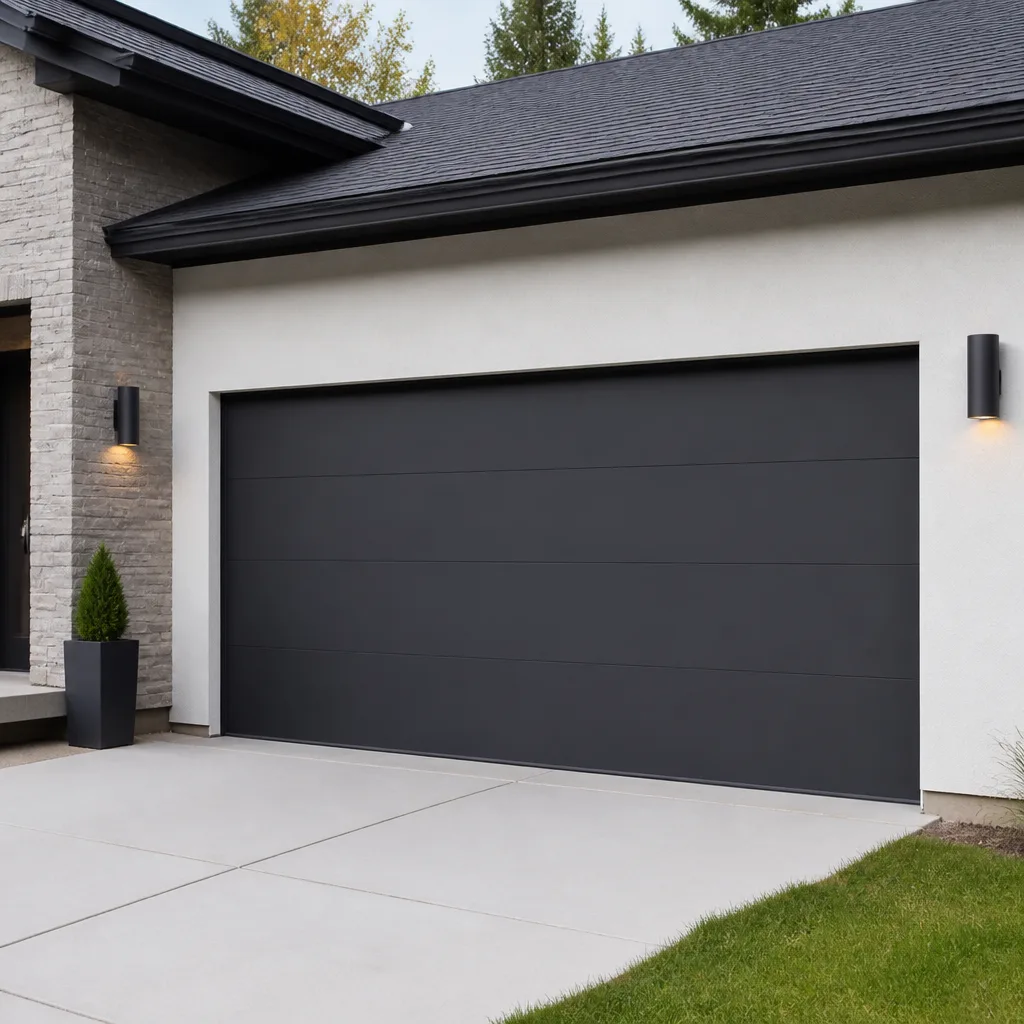 Modern flush
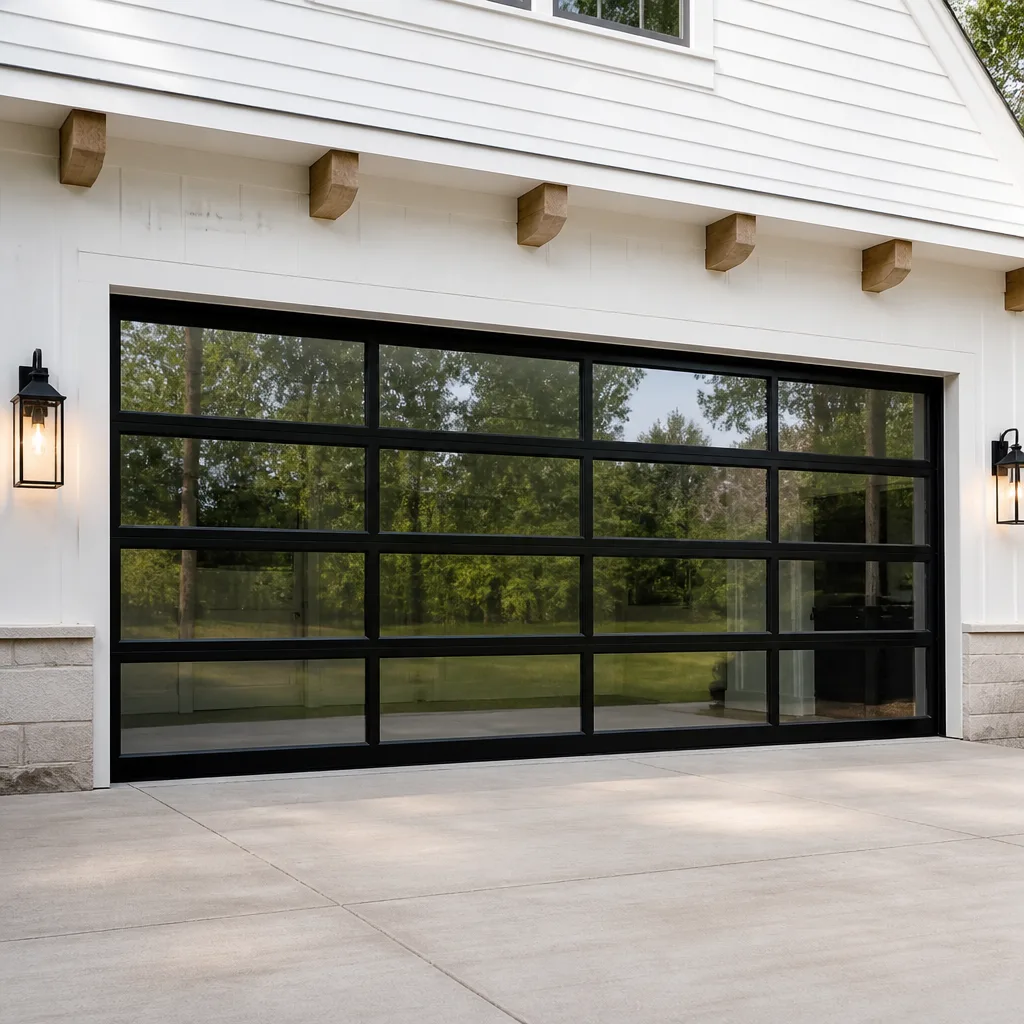 Full-view glass
 LiftMaster openers
 Chamberlain openers
Full 25-point door and opener safety check with every visit - springs, cables, rollers, tracks, and your LiftMaster or Chamberlain opener included
You get a price before we start. It does not change when the pro arrives.
Get your free estimateGarage Door Warning Signs: A Memorial Homeowner’s Reference Guide
A garage door that opens “a little slow” and sounds “kind of loud” is not a door that’s simply getting old. In our experience, those two complaints are the most common way a Memorial homeowner describes a system that is weeks away from a failure, and the repair bill for a failure is always larger than the bill for early intervention. The tricky part is that garage doors fail quietly before they fail loudly. The wear happens out of sight, on springs and cables that live under constant tension, and the first obvious symptom is often the failure itself. This guide is built around the early-stage signals instead: the sounds, habits and visual changes you can actually spot before anything snaps. We’ll cover what normal looks and sounds like, what doesn’t, and how to tell which problems need attention now versus which can wait. Our aim is to help Memorial homeowners read their own doors.
Quick Answer
The most reliable early warning signs of a failing garage door are a door that hesitates before it moves, grinding or rattling that has gotten louder over time, a replacement spring that looks rust-pitted or stretched, fraying cables, and an opener that runs longer or reverses unexpectedly. These signals usually appear weeks before a spring snaps or a door comes off track, and catching them early means a smaller repair. A door that is simply slow and loud is rarely just “old” – it’s usually a system showing measurable strain you can confirm with a few minutes of inspection.
Styles & brands we work with
- Raised-panel steel
- Carriage house
- Modern flush
- Full-view glass
- LiftMaster openers
- Chamberlain openers
Table of Contents
- The Sound Signatures That Tell You Something Is Wrong
- Why a Door Hesitates Before It Moves
- Reading Corrosion on Springs and Cables
- How Memorial Humidity Wears Out Seals and Bottom Weatherstripping
- Opener Behavior Changes That Signal Mechanical Load
- The Manual Balance Test Every Homeowner Should Know
- Visual Warning Signs to Check Monthly
- Common Mistakes to Avoid
The Sound Signatures That Tell You Something Is Wrong
Every garage door has a voice. When it’s healthy, you hear a low, steady rumble – the rollers rolling in the track, the opener motor humming through its run. What matters is the change from the sound a door made in its good days, not the sound itself. A door that has become gradually louder over several months is telling you about internal wear, especially in the bearings and rollers. Here’s how to tell the signatures apart in plain terms.
- A grinding or scraping at the start and end of travel: usually roller flat-spots or a dry bearing. Rollers that have developed flat spots make a rhythmic thumping as they pass over the track seam, and a bearing that has lost its grease grinds audibly through the whole run. Neither is an emergency, but both wear the tracks and put strain on the opener.
- A bang or clank on opening, then normal operation: early torsion spring fatigue. A spring that is losing tension can slip and catch, producing a single loud noise before the door moves normally. Don’t assume it’s a fluke. A spring in this condition can break within a few weeks.
- A steady squeal or high-pitched whine: usually the opener, not the door. This can indicate a failing motor bearing or a slipping drive gear. We handle garage door opener repair as a separate specialty for exactly this reason – the sound is coming from the operator, not the door panel.
- A rattle that grows louder over time: loose track brackets, worn hinges, or a door panel flexing. Each hard impact from a worn roller enlarges the rattle, so the noise increases gradually. This is the classic “kind of loud” that Memorial homeowners mention.
- A rhythmic clicking: a worn roller with a chipped edge, or a gear tooth in the opener. Both are cheap to address early and expensive once the roller seizes or the gear strips.
One practical tip: record a 15-second video of your door running once every couple of months. Sound changes are hard to hear when they happen day by day. Comparing recordings over time makes the change obvious. If your recording shows any of the signatures above, it’s worth a diagnosis rather than a wait-and-see.
Why a Door Hesitates Before It Moves
A door that pauses before rising is not showing its age. It’s showing extra load. The opener is designed with an allowance for the door’s weight – when the door gets harder to lift, the opener spends a fraction of a second working harder before it moves. That delay is the opener “straining.”
The cause is almost always one of three things: a spring that is losing tension (the spring does most of the lifting, so a weak spring makes the opener do the work), a door out of balance (heavier on one side), or worn rollers that have started binding. Notice which of these applies, because the fix is different for each.
Here’s how to distinguish spring imbalance from a door that’s out of balance:
- Disconnect the opener using the emergency release (pull the red handle – only when the door is fully closed).
- Lift the door to the halfway point by hand and let go. It should hold position, or move very slightly. If it drops when you let go, or if it’s very hard to lift, the spring tension is unequal or the spring is fatigued.
- If the door holds but feels stiff at one edge, check the vertical tracks on that side. A bent or misaligned track makes one side drag against the other – the door will coast to a stop rather than hesitate at the opener.
Outside temperature affects this too. The mild winters in Memorial mean the garage stays warmer than many parts of Texas, but summer heat expands both the steel tracks and the door panels. Each summer, doors in our area tend to get slightly heavier on their hinges, which is the season most “hesitation” complaints start. If your door hesitates mostly in summer, suspect the rollers and track alignment before the opener.
Reading Corrosion on Springs and Cables
Springs and cables operate under constant tension. When corrosion starts, the thin wire surface pits and weakens long before the spring breaks. The good news: you can see this without disassembling anything. The bad news: rust on a spring is easy to dismiss as cosmetic when it’s actually a countdown.
What to look for, from least to most urgent:
- Light surface color change (grey or light brown): the spring is aging but still intact. Wipe it down and note it. Check again monthly. This is a monitor-and-lubricate status, not a replacement trigger.
- Pitting or flaking (rough surface texture, small craters): the wire is losing its diameter. This is a replace-and-don’t-delay status. A pitted spring is weakened at the surface and the life remaining is hard to predict.
- Visible stretch or a stretched coil at one end: the spring has lost tension and is no longer doing its share of the lifting. Replace it.
- Cables with frayed strands or a wavy, kinked section: especially near the drum or the bottom bracket. A fraying cable can snap and load the door unevenly. This is a stop-using-until-fixed status. Do not try to untangle or re-spool a cable yourself; the tension cannot be released safely without the right tools.
- Rust on the lifting cables themselves: less common, but a cable that has corroded at the bottom corner where it attaches to the door is more likely to fail than a cable in the drum. Check the bottom corners by feel and by eye.
The humidity in Memorial is the direct cause of most of this. Garage doors in our area see more condensation cycling than doors in drier parts of Texas, and that moisture collects where the door meets the ground and where the springs sit in the top of the garage. That’s why we recommend a light inspection of the springs and cables on the same schedule as your smoke alarms – pick a month and check both every time.
How Memorial Humidity Wears Out Seals and Bottom Weatherstripping
The bottom seal on your garage door – the rubber or vinyl strip across the lowest edge – looks like a cosmetic part. It isn’t. It’s the barrier between your conditioned home and the outside air. In Memorial’s humidity, that seal does more work than most homeowners realize, and when it fails, the visible result is a slightly uneven line at the bottom of the door. The invisible result is steam-like air and pests entering through a gap you can’t easily see.
Three failure patterns show up in our local area:
- Compressed or flattened seal: the seal has taken a set and no longer springs back. The gap opens and closes with the door’s motion. Look along the floor line on a sunny morning; if you see daylight between the door and the concrete, the seal has flattened.
- Cracking at the corners: the seal shrinks with the heat and splits at the ends. Small insects find those splits and get into the garage. So does humid outdoor air, which then reaches the interior wall of the house.
- Mildew or black spotting along the seal: the underside of the seal, where it meets the concrete, stays wet for long stretches. The rubber degrades faster than you’d expect. This is often the first visible sign, and it usually appears before the seal stops working outright.
A seal replacement is one of the smaller jobs we do, but it’s a genuine comfort-and-security fix, not a cosmetic one. We also see side seals and top seals failing in the same way, especially where the garage door faces the prevailing humid wind. If you’re checking one, check all of them at once – the cost difference is minor and the result is a garage that stays dry. Parts availability matters here, and it’s one reason we handle garage door repair with parts supply as a single job, so a failed seal doesn’t leave you waiting on a third-party order.
Opener Behavior Changes That Signal Mechanical Load
Opener electronics rarely fail first. They fail last. The most common pattern we diagnose is an opener that’s working harder because the door is working against it, and the electronics give out only after months of strain. If your LiftMaster or Chamberlain opener has started to feel “tired,” look at the door before you look at the operator.
Four behavior changes to watch:
- Longer run times: the door takes noticeably more seconds to open or close than it did. Get a stopwatch out and time a full cycle. A few seconds slower is normal as springs age, but a consistent doubling of run time is meaningful.
- Reversal mid-travel: the door reverses partway and goes back down, or stops. That’s the opener’s safety sensor triggering because it’s encountering resistance. The sensor is doing its job – the problem is what the door is doing to it.
- Remote range drop: a remote that used to work from across the driveway now only works at close range. This can be a battery, but if a fresh battery doesn’t fix it, suspect the opener’s receiver board straining under load or the antenna wire being pinched. On a Craftsman opener, the antenna is often the wire hanging from the motor head; if it has been pulled into the housing, range drops.
- The opener lights flicker or the motor buzzes without moving: the operator’s internal gear is slipping or the travel limit is set wrong. Stop using the door until it’s diagnosed. Continuing to run a slipping opener causes the gear to fail further and can damage the door.
On newer smart-connected openers, you may also notice the app reporting a “jam” or “obstruction” event without any obvious obstruction. That’s a load signal, not a sensor fault. Diagnosing it properly means checking the door’s balance and hardware before the opener itself, which is the same test we described above. If the behavior changes after a power outage, check the travel limits before assuming anything failed.
The Manual Balance Test Every Homeowner Should Know
Five minutes, one hand, and no tools – that’s the balance test every Memorial homeowner should run once a season. It catches spring fatigue, cable imbalance and track problems before they become failures.
- Close the door fully. Pull the emergency release cord (the red handle) to disconnect the opener. Only do this while the door is fully closed.
- Lift the door by hand to about halfway. Lift with your legs, not your back. The door should move with modest effort.
- Let go and watch. A properly balanced door holds roughly in place. If it drops quickly on its own, the springs are weak or unequal. Stop at this point if it falls; don’t let it slam.
- Lower it slowly back to the closed position, then reconnect the opener by pulling the door down until it clicks into the carriage.
- Note the result. Hold = balanced. Drift slowly = spring aging, monitor. Drop fast or require real effort = spring or cable problem, call for diagnosis.
Important safety note: the balance test is a check, not a diagnostic for repairs. The springs and cables carry enormous tension and can cause serious injury if handled. Never attempt to adjust, rewind or replace a spring or cable yourself. That work requires the correct tools and training. This is exactly why we treat garage door repair with a dedicated spring replacement service – the risk isn’t worth the savings, and manufacturers and safety organizations advise against DIY for this reason.
One condition where the door may feel heavy without a spring problem: if the door has recently been painted or refinished with a heavy coating, or if a door panel was replaced with a heavier one, the balance changes. If the balance test changed right after any work on the door, that’s the culprit.
Visual Warning Signs to Check Monthly
Most early-stage failures leave a visible trace. A 5-minute walk-around each month, in daylight, will catch nearly all of them. Here’s what to look at, in order, from the ground up.
- The door line: stand inside and look at the gap between the bottom of the door and the floor. An even line means the door is level. An angled gap means the door is out of balance side to side.
- The tracks: sight along each vertical track from the bottom up. A track that curves away from the door is a mounting-loose problem, common after repeated openings. A bent track will cause the rollers to jump, which you can often hear.
- The hinges: a hinge that has lost a screw, or is loose and wobbling, will eventually let the door sag. Loose hinges are a 10-minute fix, but a sagged door is a bigger problem that affects the seal, the tracks and the opener.
- The rollers: look for flat spots and wobble. Rollers that have turned black and brittle are near the end of life. Nylon rollers last longer than steel but can develop a squeak when dry.
- The springs: look for rust pitting, stretch, or a gap between coils. Check the ends where they hook into the drums.
- The cables: look for kinks, fraying, or cables lying loose at the drum. This is the one visual check that always requires professional attention if you see anything wrong.
- The opener rail and chain/belt: a chain that hangs low or is tight has lost tension. The belt on a belt-drive system should not sag more than roughly an inch.
One local note about what we see around Memorial: many homes here were built with a mix of hollow-steel and steel-backed door panels, and the steel-backed doors tend to hold their shape better as the humidity cycles. That means panel-related warning signs (a bent or cracked section) are less common here than in drier climates, while seal and hinge problems are more common. Adjust your monthly check accordingly. If you’re at the point where a door has aged past reliable repair, it may be the right time to look at garage door installation rather than continue patching it.
Common Mistakes to Avoid
- Waiting for a loud failure before calling. The most expensive repairs we see are ones that started as a “slow and loud” door. By the time a spring breaks, the door’s weight can bend a track or strip the opener gear in the same instant, and the bill reflects both. The quiet, early symptoms are the ones worth acting on.
- Diagnosing the opener when the problem is the door. A door that hesitates is usually telling you about its springs, not its motor. Replacing an opener to fix a spring problem is a waste and the new opener will fail the same way.
- Lubricating the wrong parts. A dry hinge or roller benefits from a light, purpose-made lubricant. Applying grease to the springs or tracks attracts grime and can cause the rollers to skip. Leave the springs to the professional, and wipe tracks rather than greasing them.
- Trusting a “battery only” solution to a range problem. A remote range drop in Memorial is often a symptom of an opener straining on a heavy door, especially after the summer heat. If a fresh battery doesn’t restore range, look at the door first.
- Ignoring the bottom seal because it’s “just weatherstripping.” A failed seal lets in the humid air and pests of Memorial, and the seal failure almost always starts as a mildew spot that gets ignored. Replace it early and the interior walls of an attached garage stay dry.
- Tightening hinges without checking the sag. A door that’s already slightly out of square will snap a hinge bracket if the loose hinge is simply cranked tight. Check that the door is level first, then address the hinge.
- Wiping down a spring with oil after spotting rust. A light oil can slow further corrosion on a finger-safe surface, but a pitted or stretched spring needs replacement, not lubrication. Don’t use oil to talk yourself out of an inspection.
See the difference
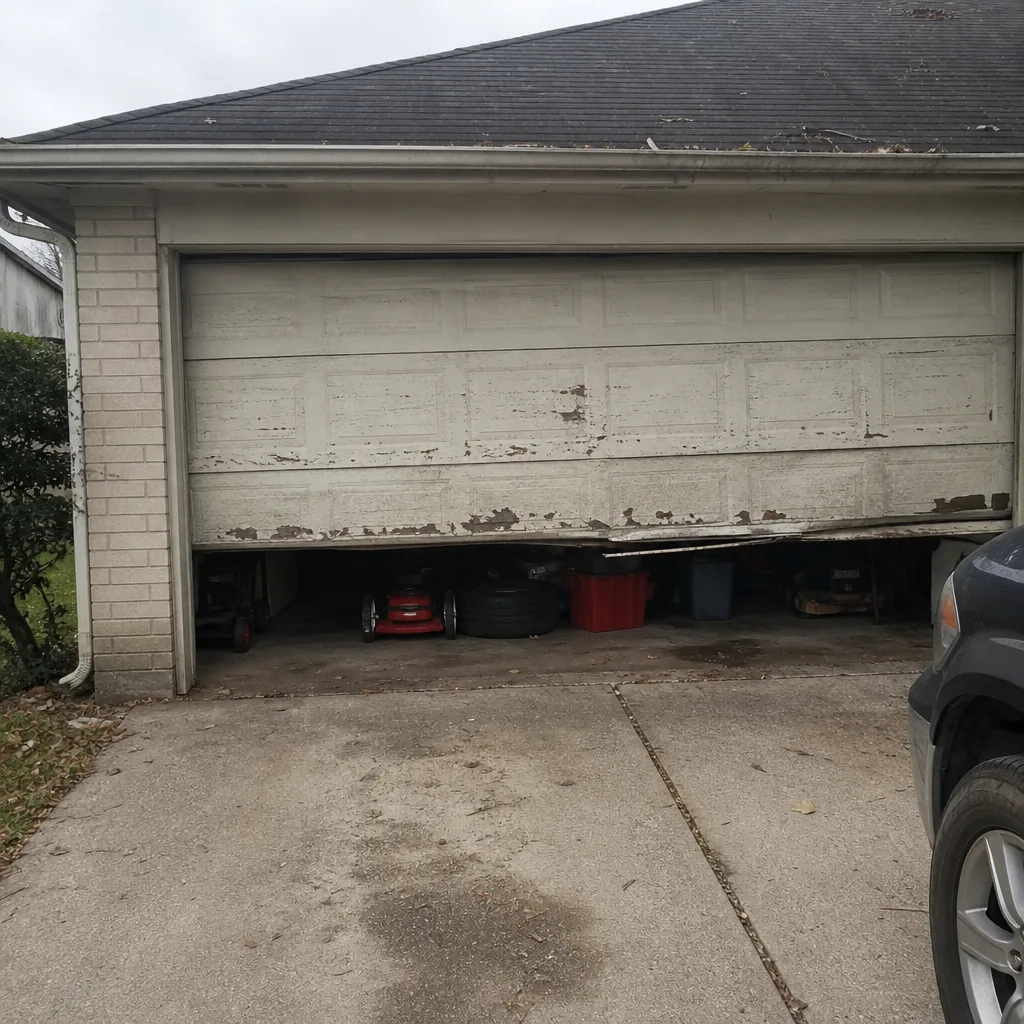 Before
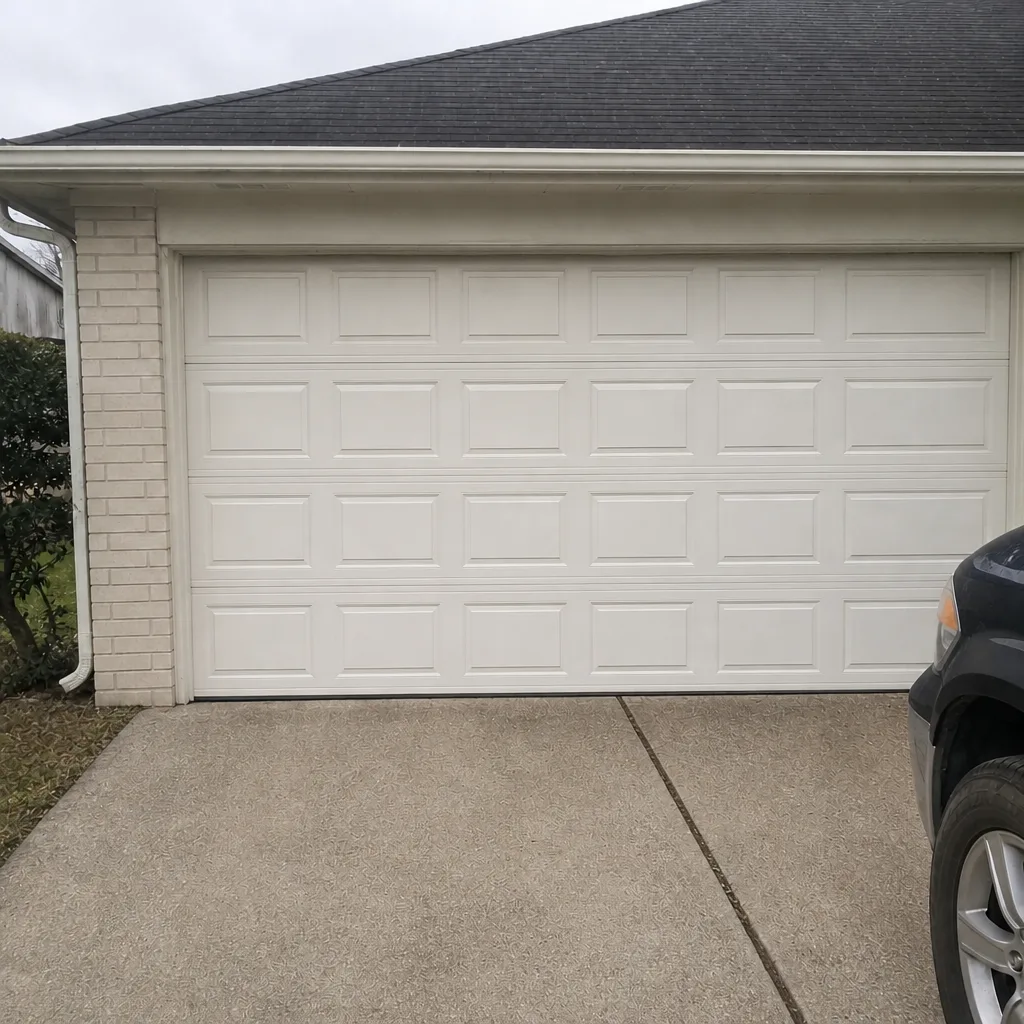 After
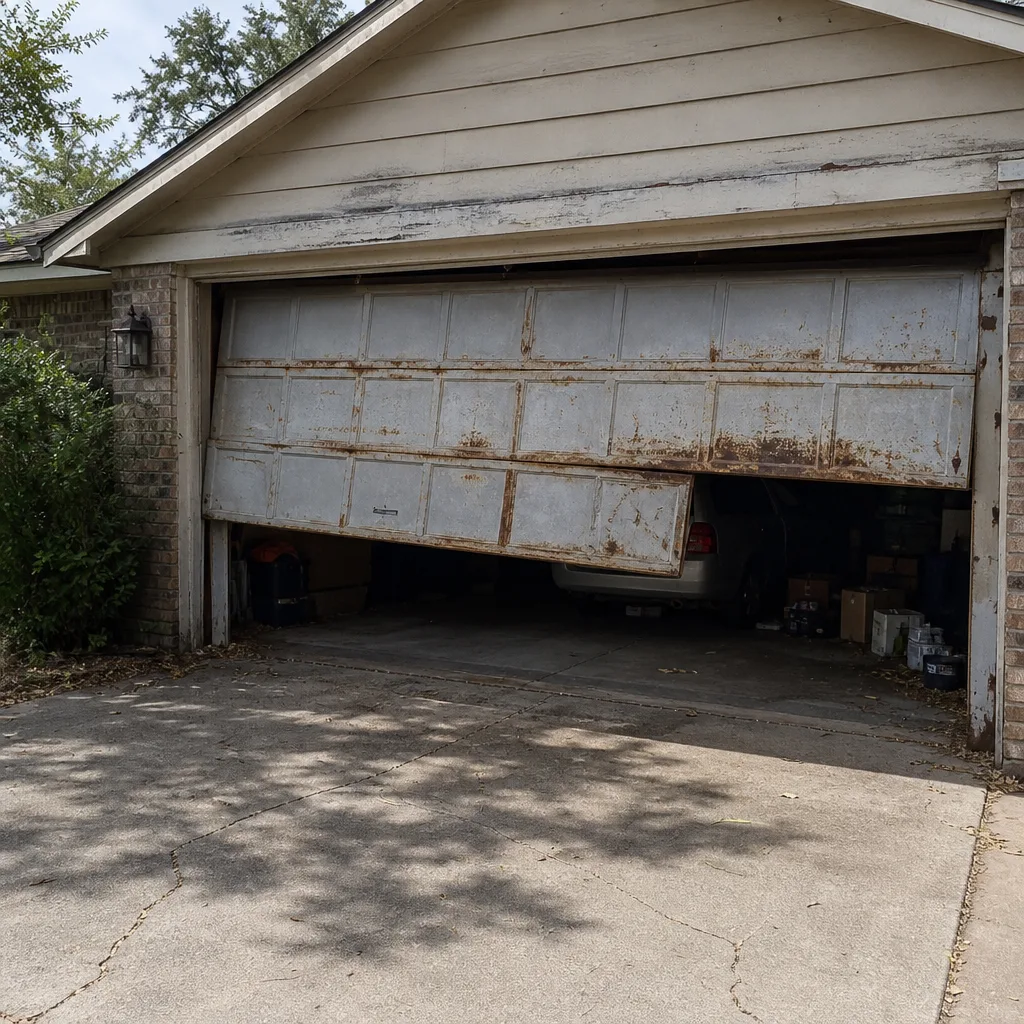 Before
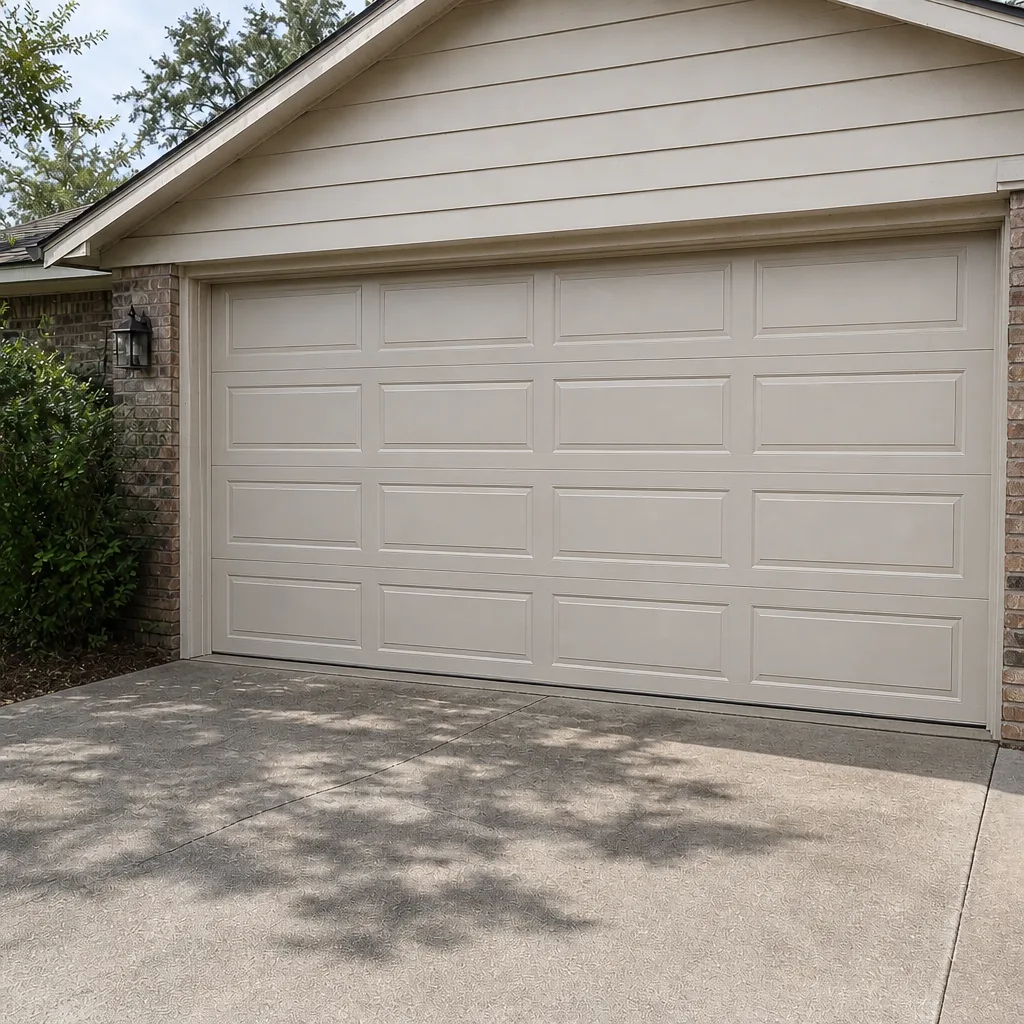 After
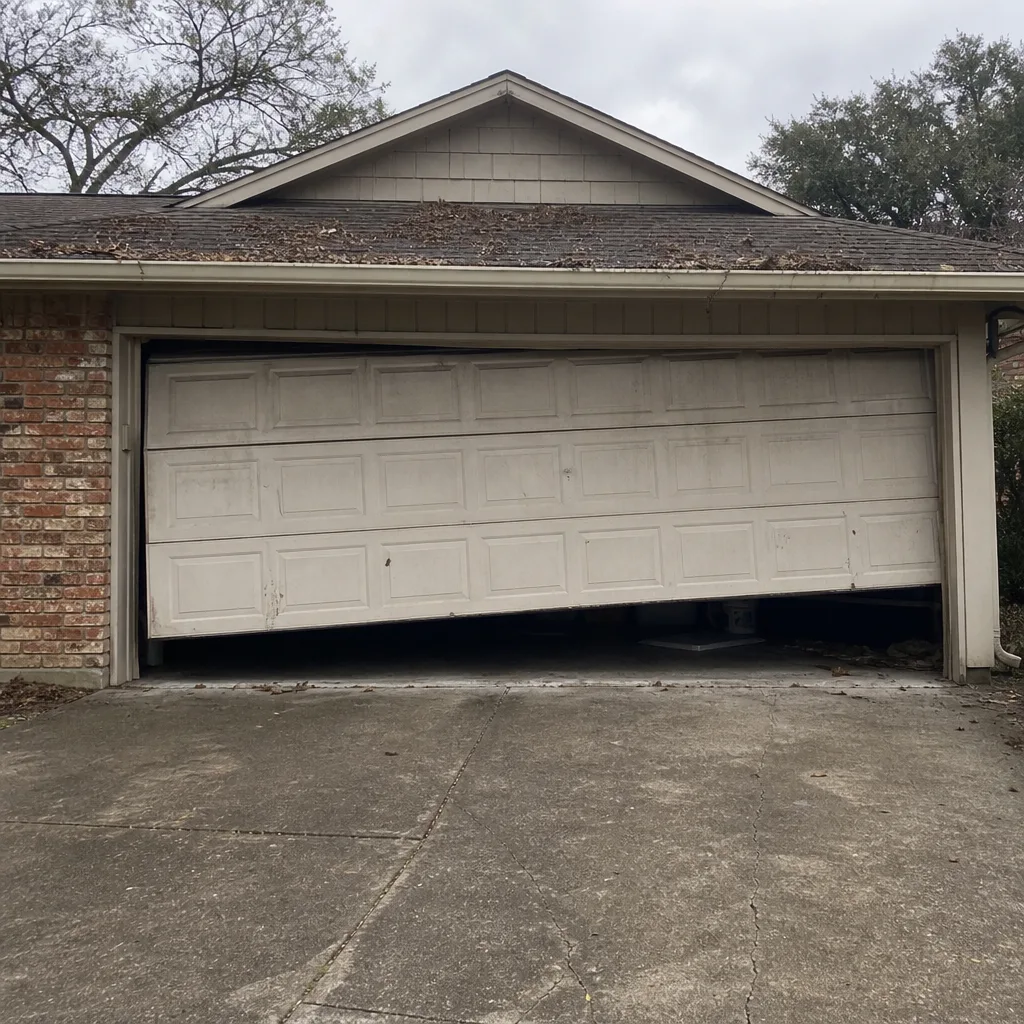 Before
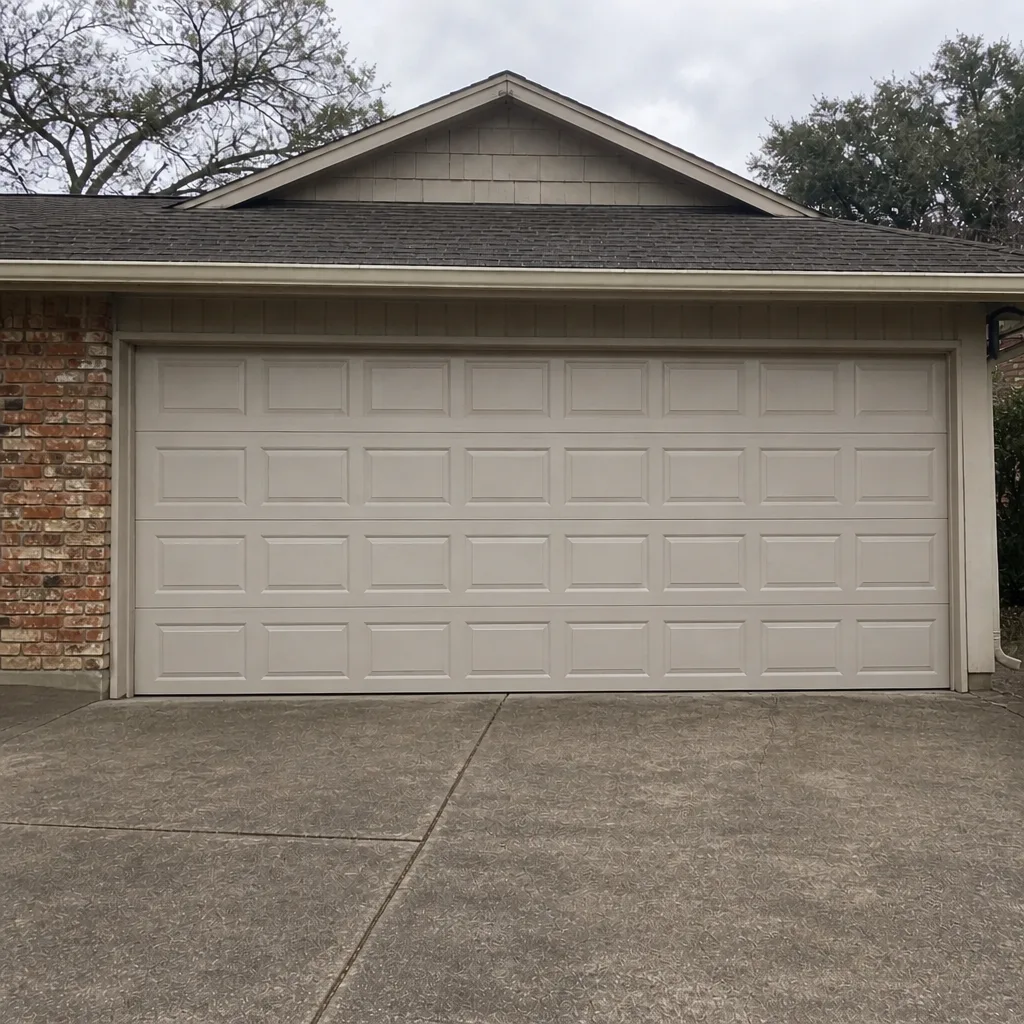 After
When to Call a Professional
Call a professional if you see any of the following in Memorial: a frayed or kinked cable (stop using the door immediately), a spring that looks pitted or stretched beyond recognition, the balance test showing a fast drop, a door that reverses repeatedly and won’t stay down, the opener motor running without moving the door, or any grinding that has gotten worse over a period of months. These are the signals that point to a repair you shouldn’t defer. Call the same number if you’re not sure – the cost of a diagnosis is small compared with the cost of a failure, and we’ll tell you honestly whether it’s a monitor-and-wait item. Garage Door Repair Memorial offers free estimates in Memorial – call (877) 492-2056. We answer 24/7. Fast dispatch from 7am to 7pm, Sunday through Friday.
Frequently Asked Questions
The most reliable signs are a door that hesitates before moving, grinding or rattling that has gradually worsened, a replacement spring that’s visibly pitted or stretched, and an opener that reverses mid-travel or runs longer than usual. If you notice two or more of these, book a diagnosis before the door fails outright. Call (877) 492-2056 for an exact quote – estimates are free.
Yes, in the sense that rust weakens the wire and a pitted spring is closer to breaking than a smooth one. Surface discoloration that’s still smooth is usually a monitor-and-lubricate situation, but pitting, flaking and visible stretch all point to replacement. Never try to handle or adjust a spring yourself – they carry enormous tension.
Probably, for now – but “loud but still opening” is exactly the window where early intervention saves the most money. A grinding or rattling door is wearing on its tracks and opener, and the failure that eventually comes takes those parts with it. Have it checked while the noise is still just a noise.
Hesitation is almost always the opener straining against a door that has gotten heavier – usually weak spring tension or a door that’s out of balance. It’s rarely the opener itself. Run the manual balance test described above, then call (877) 492-2056 for an exact quote on the repair you actually need.
Yes. The humidity in our part of Texas shows up first on the bottom weatherstripping, which flattens faster here and can mildew along the floor line. That lets humid outdoor air and pests into the garage. It also causes surface corrosion on springs and cables, which is why we suggest a spring-and-seal check on the same schedule as your smoke-alarm test.
In most homes around Memorial, yes. Garage Door Repair Memorial services eight of the widely installed brands in residential use, including LiftMaster, Chamberlain, Genie, Clopay, Amarr, Wayne Dalton, Craftsman and Raynor. Our technicians have up to 11 years of experience and work on the system already on your home rather than only preferred brands. Call (877) 492-2056 to confirm your model – estimates are free.
The Bottom Line
Garage door warning signs are quiet before they’re loud. The door that hesitates, the sound that’s grown over months, the rust spot that looks cosmetic, the seal that has flattened at the corner – each is a small signal of a large failure scheduled months ahead. Catching them early is the difference between a manageable repair and a bigger one. Run the manual balance test, watch the sound changes, and check the seal and springs monthly. If you’re unsure, a free estimate settles it quickly. We’d rather tell you it’s fine than see a door snap. At Garage Door Repair Memorial, garage doors are our only business, and reading yours is what our technicians do.
Call (877) 492-2056 for a free estimate. We answer 24/7. Fast dispatch from 7am to 7pm, Sunday through Friday. If you need the complete picture of what we handle, our Garage Door Repair Memorial page covers the full service range.
Written by the team at Garage Door Repair Memorial.