
Last updated November 21, 2026
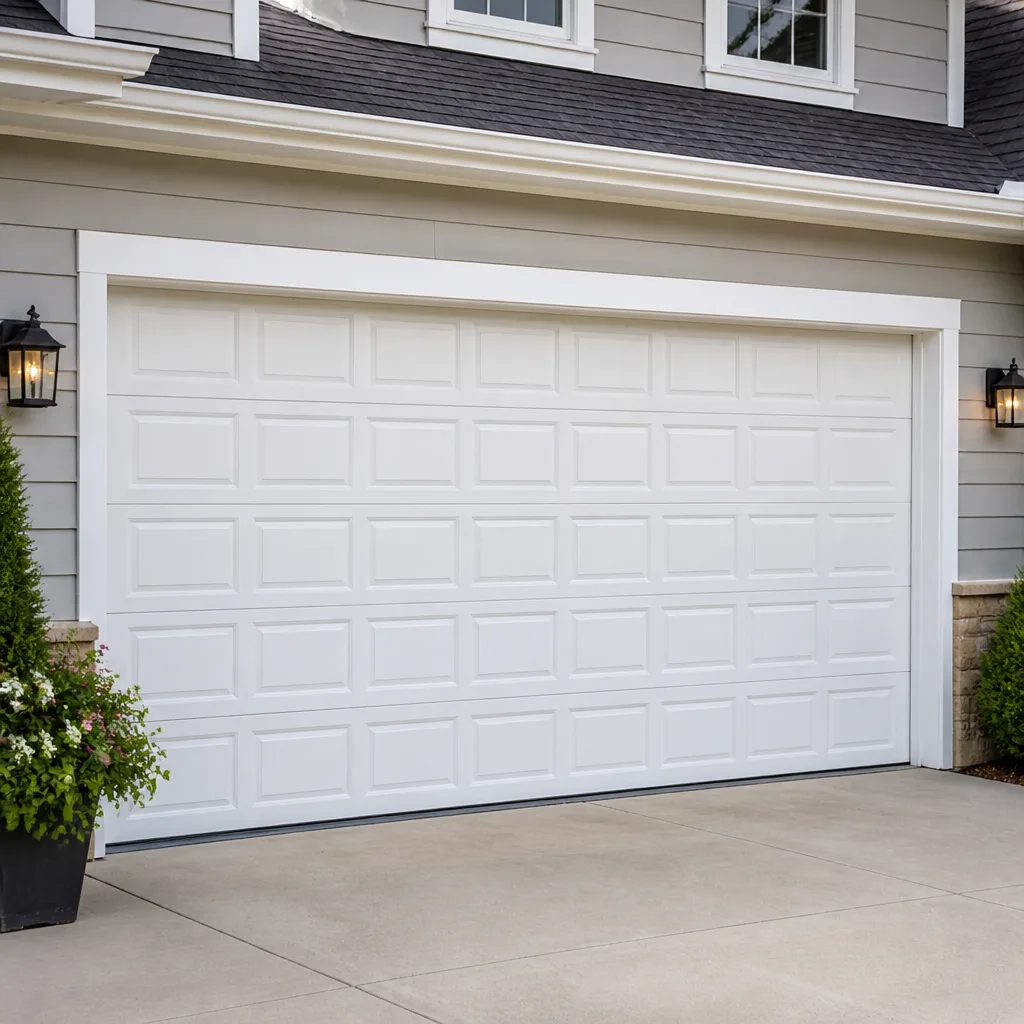 Raised-panel steel
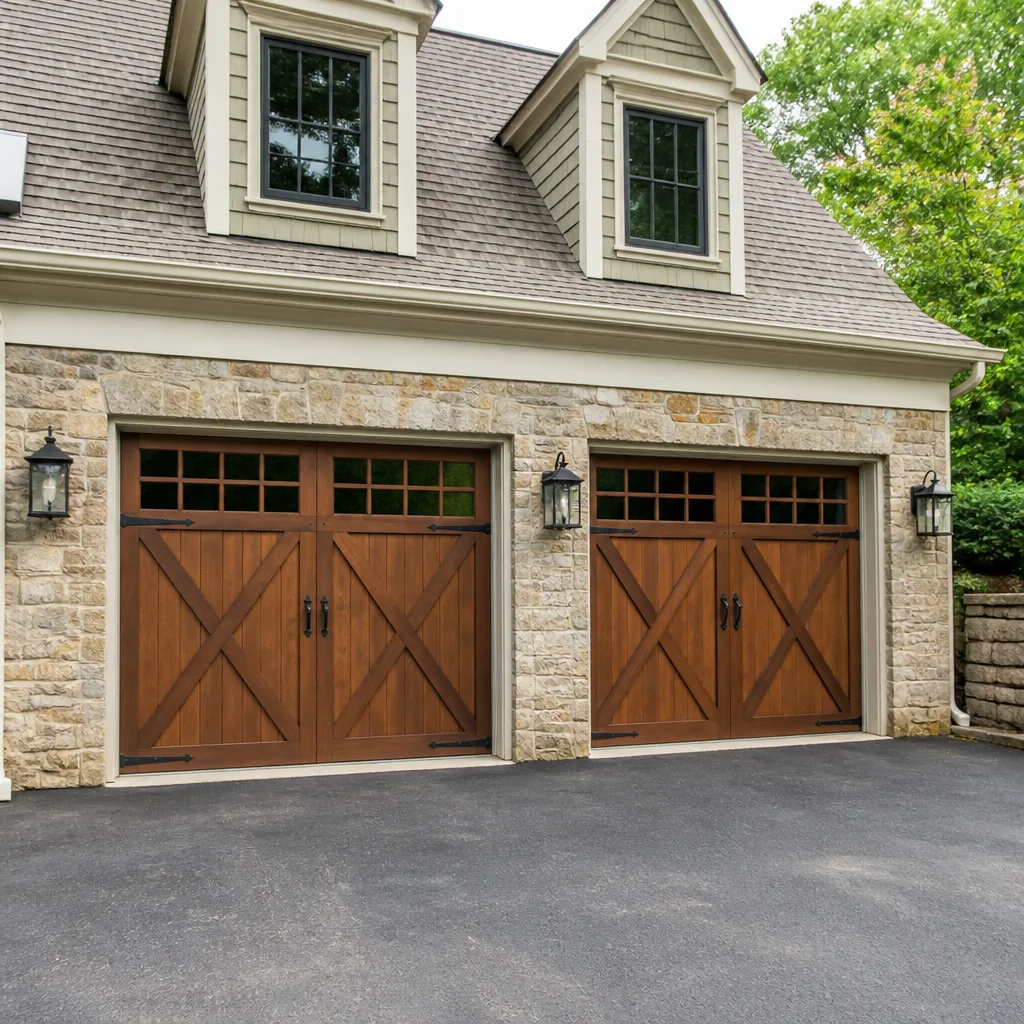 Carriage house
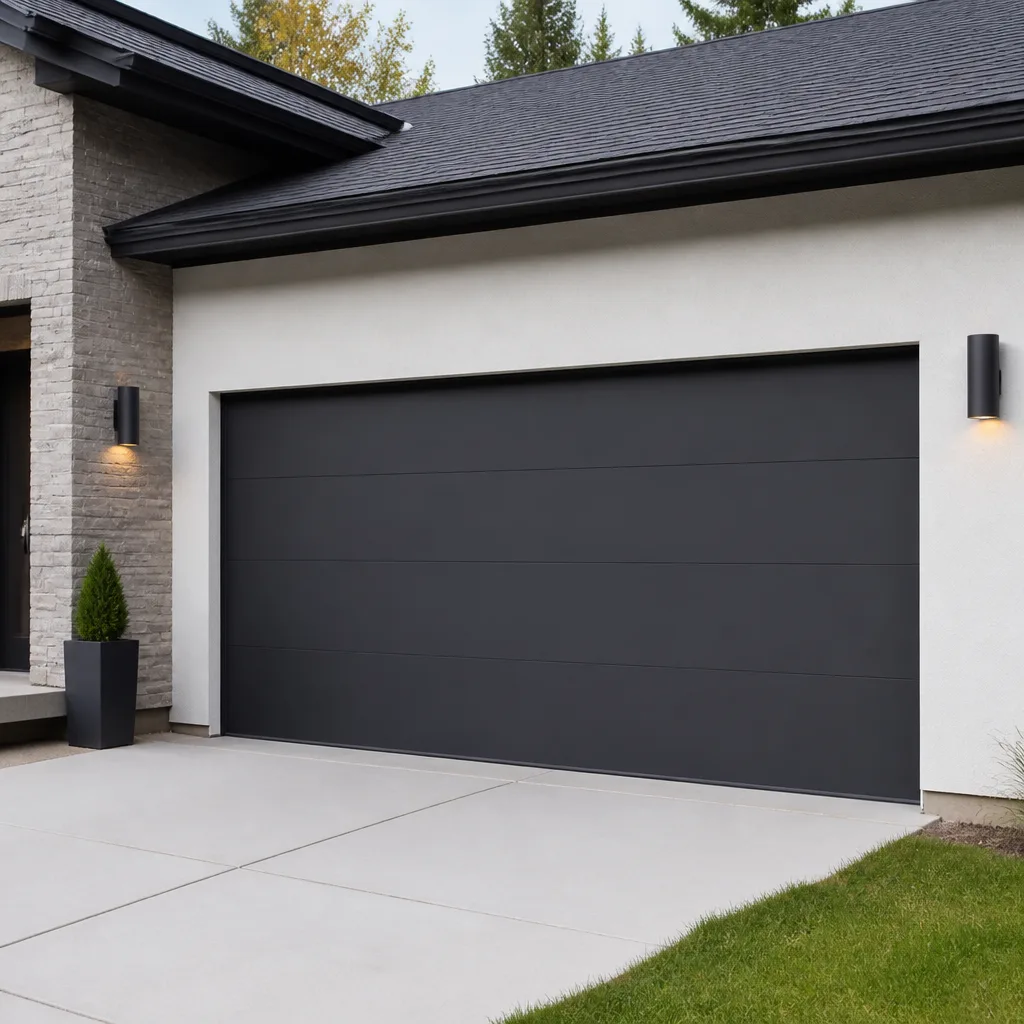 Modern flush
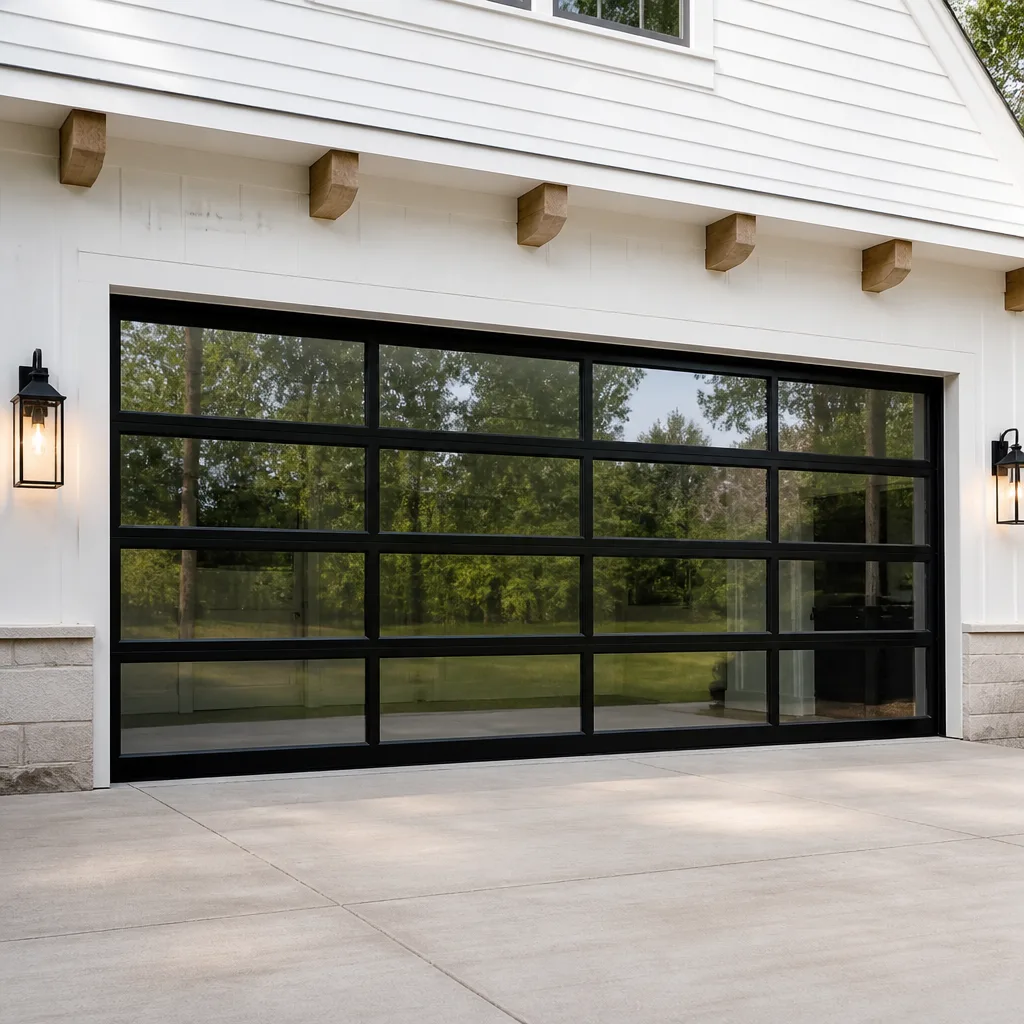 Full-view glass
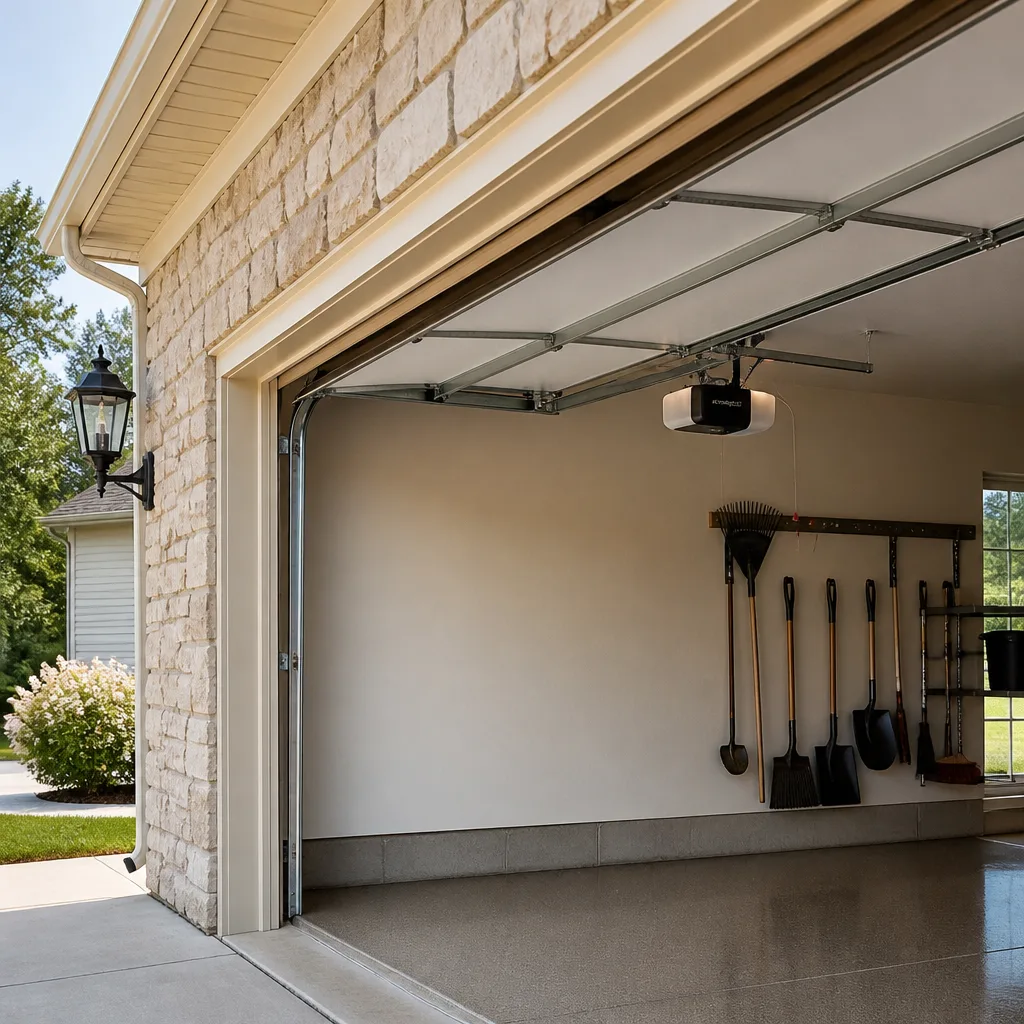 LiftMaster openers
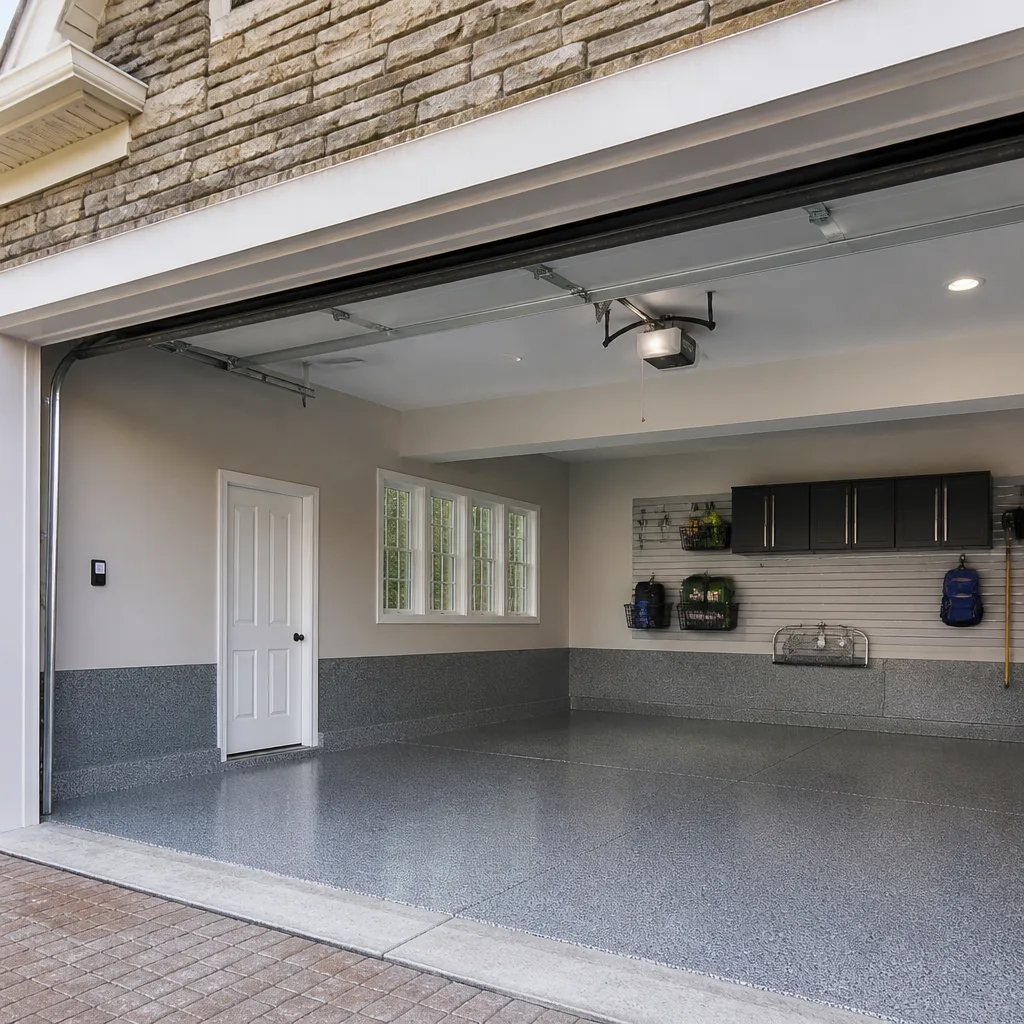 Chamberlain openers
Full 25-point door and opener safety check with every visit - springs, cables, rollers, tracks, and your LiftMaster or Chamberlain opener included
You get a price before we start. It does not change when the pro arrives.
Get your free estimateHow to Hire a Garage Door Contractor in Memorial: A Step-by-Step Guide
The contractor who quoted you $50 less runs their garage door calls between plumbing and fence jobs. That’s not a knock on them. It’s a structural problem: proper spring calibration comes from repetition across dozens of installs, not occasional exposure. A garage door is a counterweighted machine under constant tension, and the person who adjusts it should be doing that specific work week in and week out. In this guide we walk through the credential questions that separate door specialists from generalists, what a legitimate written estimate should itemize, how to verify insurance actually covers spring and cable work, and the red flags that matter in the Memorial market. You’ll finish knowing exactly how to vet a contractor before anyone touches your door.
Quick Answer
To hire a garage door contractor in Memorial, start with three filters: ask how many door-only calls the company runs each week, confirm the written estimate itemizes spring type and cycle rating, track gauge, and operator model, and verify the contractor’s insurance specifically covers high-tension spring and cable work. A dedicated garage door specialist will answer all three without hesitation. A generalist who lists doors as one of many services usually can’t.
Styles & brands we work with
- Raised-panel steel
- Carriage house
- Modern flush
- Full-view glass
- LiftMaster openers
- Chamberlain openers
Table of Contents
- Why a Garage Door Specialist Beats a Generalist
- The Credential Questions That Separate Pros From Pretenders
- What a Legitimate Written Estimate Must Itemize
- How to Verify Insurance Covers the Actual Work
- Parts Sourcing: Why Local Stock Matters
- Red Flags Specific to the Memorial Market
- Why Spring Work Belongs to a Professional
- The Ten Questions to Ask Before You Book
Why a Garage Door Specialist Beats a Generalist
A garage door specialist does one category of work and does it often. That matters more than most homeowners realize, because the skills that make a door reliable aren’t transferable from other trades. Setting spring tension, leveling panels, and aligning a track so the rollers travel without binding are feel-based skills built through repetition. A handyman who installs a door once a month is learning on your door. A specialist who runs door-only calls every working day has already seen how that model fails.
We work on the brand already on your home rather than steering you toward whatever a generalist happens to source. In practice that means service across Amarr, Wayne Dalton, Craftsman, and Raynor systems, along with the opener platforms those doors are commonly paired with. When a company carries parts for many brands, the conversation shifts from “what can we get” to “what does your door actually need.”
There’s also a diagnostic advantage. A door that won’t close can be a spring, a cable, a photo-eye, a limit switch on the opener, or a track that’s been knocked out of plumb. A specialist sorts those possibilities in order of likelihood because they see the same failure patterns repeatedly. A generalist tends to replace the most familiar part and hope. That difference shows up in how many visits it takes to get the door working and staying working.
Garage doors are our only business, and that focus is the honest answer to why specialization matters here. In Memorial, where many homes have attached garages facing the street, a door that binds or drifts is visible from the curb every day. Getting the mechanical setup right the first time spares you a second round of calls. You can see how we approach the work on our Garage Door Repair Memorial page.
The Credential Questions That Separate Pros From Pretenders
Credentials are how you convert a friendly phone manner into evidence. Ask these questions before you book, and listen for specifics rather than reassurances.
- How many garage door calls does your company run in a typical week? A door-focused company answers with a real number and a sense of volume. A generalist gives a vague answer because doors are a small slice of their calendar.
- Are you a member of a garage door industry association? Membership in the International Door Association (IDEA) signals a company that invests in industry standards and training. Not every good contractor belongs, but the question tells you whether they even know the association exists.
- Which manufacturers have trained or certified your technicians? Manufacturer programs exist for a reason: each brand’s springs, drums, and operators have their own specifications. Ask which of the brands on your door the technician has been trained on.
- Do you handle spring replacement as a standing service, or as an occasional job? Spring work is the highest-risk repair on the system. A company that offers it as a named service has the tools, the winding bars, and the routine down.
- Who performs the work, and will the same company handle any callback? You want a clear answer about who shows up and who stands behind the result.
Our technicians have up to 11 years of experience, and we treat spring repair as a core service rather than an add-on. That’s the kind of specific answer you should expect. If a contractor can’t tell you which brands they’re trained on or how often they do this work, that silence is information. For homeowners comparing companies, our garage door repair page lays out the service scope in plain terms.
What a Legitimate Written Estimate Must Itemize
Two estimates can look identical at the bottom line and describe completely different jobs. The written estimate is where you find out which one you’re actually buying. A proper estimate itemizes the parts and specifications, not just the labor total, so you can compare bids line by line.
For a spring replacement, the estimate should name the spring type (torsion or extension) and the cycle rating, which tells you roughly how many open-and-close cycles the spring is rated for. A cheaper spring with a lower cycle rating is not the same product as a higher-rated one, even though both are “a spring.” Note that a spring price is for one spring; matched pairs are typically replaced together, so a pair costs about twice a single-spring figure.
For a track or roller job, the estimate should specify track gauge and roller type. For an opener, it should name the operator model. For a full door, it should spell out the door model, insulation, and the operator if one is included.
- Spring type and cycle rating for any spring work
- Track gauge if track is being replaced or realigned
- Operator model if an opener is involved
- Parts brand and part number where a specific component is being swapped
- Labor separated from parts so you can see what you’re paying for
- What’s excluded so nothing surprises you mid-job
Ask for the estimate in writing before any work starts, and confirm the price is quoted and agreed before a technician begins. A written estimate is the price. If a contractor resists putting specifications on paper, that’s a reason to keep looking. For larger projects like a full replacement, our garage door installation page explains what a proper measure and quote involves.
How to Verify Insurance Covers the Actual Work
General liability coverage is not the same as coverage for high-tension spring and cable work. This is the single most overlooked verification step, and it’s the one that protects you if something goes wrong on a dangerous repair.
Start by asking the contractor to confirm, in writing, that their policy covers garage door spring and cable work specifically. Some policies exclude high-tension mechanical work or require a rider. A contractor who knows their coverage will answer directly; one who doesn’t know is telling you something too. Ask for a certificate of insurance and check that the coverage is current.
Ask a second question about workers’ compensation if anyone other than the owner will be on your property. If a helper is injured at your home and the company has no coverage, the exposure can land on you. This isn’t a reason to distrust a small operation, but it is a reason to ask.
Finally, ask who employs the people doing the work. A company that connects you with vetted local professionals should be clear about the relationship, and the professional who performs the work should be licensed and insured as their state requires. For any spring or cable job, confirm the coverage before the technician starts. Spring replacement is not a DIY repair, and the contractor’s insurance should reflect that they treat it as the high-risk work it is.
Parts Sourcing: Why Local Stock Matters
A callback is only as fast as the part it needs. Contractors who stock parts locally resolve problems in days; contractors who drop-ship from a distributor can leave you waiting while a spring or roller sits in transit. In a market like Memorial, where homes range from older builds with legacy hardware to newer construction with current systems, having the right part on hand is the difference between a one-visit fix and a two-week wait.
Ask where the parts come from. A contractor who can name their supplier and describe what they keep in stock is signaling that they’ve thought about the callback problem. A contractor who says “we’ll order it” for every job is telling you that the first visit is a diagnostic and the second is the actual repair.
Parts sourcing also connects to quality. The right part, installed correctly, is the goal, and that starts with matching the component to the door’s actual specifications rather than substituting what’s available. A spring rated for the wrong cycle count, a roller of the wrong profile, or an operator sized for a lighter door will all shorten the life of the system. Our technicians have up to 11 years of experience sourcing and fitting components across the major brands, and we treat parts supply as its own service because it directly determines how well the repair holds. When the opener itself is the problem, our garage door opener repair page covers how we diagnose and source operator components.
Red Flags Specific to the Memorial Market
Storm season in the Houston area brings a pattern worth knowing about. After a major weather event, out-of-town crews sometimes arrive offering quick garage door fixes, collect payment, and leave before any warranty issue surfaces. The work may look fine on the day. Months later, when a spring sags or a track shifts, the phone number is dead.
The warning signs are consistent. A crew with no local address, no verifiable business identity, and a price that undercuts every other quote is the classic profile. So is a contractor who wants cash up front for the whole job, or who won’t put the estimate in writing. None of these are proof of fraud on their own, but together they describe someone with no stake in the community they’re working in.
- No verifiable local business identity or physical presence you can confirm
- Prices far below every other quote with no itemization to explain why
- Requests for full payment up front, in cash, before work begins
- No written estimate, or an estimate with no specifications
- Pressure to decide on the spot, or a “today only” framing
- A phone number that doesn’t connect to a real business when you call back
- No clear answer about who honors the warranty if something fails
Memorial homeowners also deal with plenty of legitimate local competition, which is good news. There are dedicated specialists and reputable general contractors in the area. The point isn’t to distrust everyone; it’s to apply the same three filters to every bid so the storm-chasers stand out from the companies that will still be answering their phone next year.
Why Spring Work Belongs to a Professional
A garage door spring stores enough energy to cause serious injury, and it can release that energy without warning. That’s why manufacturers and safety organizations advise against DIY spring repair. The springs, cables, and drums are under constant high tension. A spring that’s improperly wound, or a cable that slips during a repair, can send hardware across the garage with force. This is not a job where a YouTube tutorial closes the gap between amateur and professional.
The risk isn’t only at the moment of failure. Springs under too much or too little tension put uneven load on the door, the cables, and the opener. A miscalibrated spring can shorten the life of the opener and stress the track. Getting the tension right requires the proper winding bars, a working knowledge of the door’s weight and drum configuration, and the judgment to know when a component is at the end of its service life.
What you can safely do is observe and describe. Note whether the door is heavy to lift by hand, whether it drifts down when left halfway open, whether you hear a bang from the garage, or whether the opener strains. Those observations help a technician diagnose the problem quickly. Leave the actual repair to a trained professional. Our team handles spring repair as a dedicated service because it’s the repair most worth getting right. If you’re seeing the signs, call us and describe what you’re noticing rather than attempting the fix.
The Ten Questions to Ask Before You Book
Bring this list to every call. The answers tell you more than any advertisement can.
- How many garage door calls does your company run in a typical week?
- Are you a member of the International Door Association?
- Which manufacturers have trained your technicians?
- Is spring repair a standing service or an occasional job for you?
- Does your insurance specifically cover spring and cable work?
- Do you carry workers’ compensation for anyone on my property?
- Will you put the estimate in writing with spring type, cycle rating, and part specifications?
- Do you stock parts locally, or will every job wait on an order?
- Who honors the warranty, and for how long?
- Can you confirm the price is agreed before any work starts?
These questions work for any door project, from a broken spring to a full replacement. They also work as a comparison tool: put two contractors’ answers side by side and the specialist usually separates from the generalist without any need for sales talk.
Common Mistakes to Avoid
- Choosing on price alone. A quote that’s meaningfully lower usually reflects a lower-grade spring, a shorter cycle rating, or labor that skips the calibration step. The cost of a cheap spring shows up later, in a second repair.
- Accepting a verbal estimate. If the specifications aren’t written down, you have no way to compare bids or hold anyone to the scope. Insist on a written estimate before work begins.
- Assuming general liability covers spring work. Many policies treat high-tension mechanical work differently. Ask specifically, in writing, and confirm the coverage is current.
- Letting a storm-season crew start without verifying the business. A local address you can confirm and a phone number that answers are basic checks that out-of-town crews fail.
- Skipping the brand and model questions. A technician trained on Amarr or Wayne Dalton systems will approach your door differently than one who isn’t. Ask which brands they’re trained on before you book.
- Ignoring the opener when the door is replaced. A new door paired with an undersized or aging operator will strain both. Ask whether the opener should be replaced alongside the door, and get the operator model in the estimate.
- Paying in full up front. A deposit against materials is one thing; full payment before the work starts leaves you with no leverage if the job isn’t finished properly.
See the difference
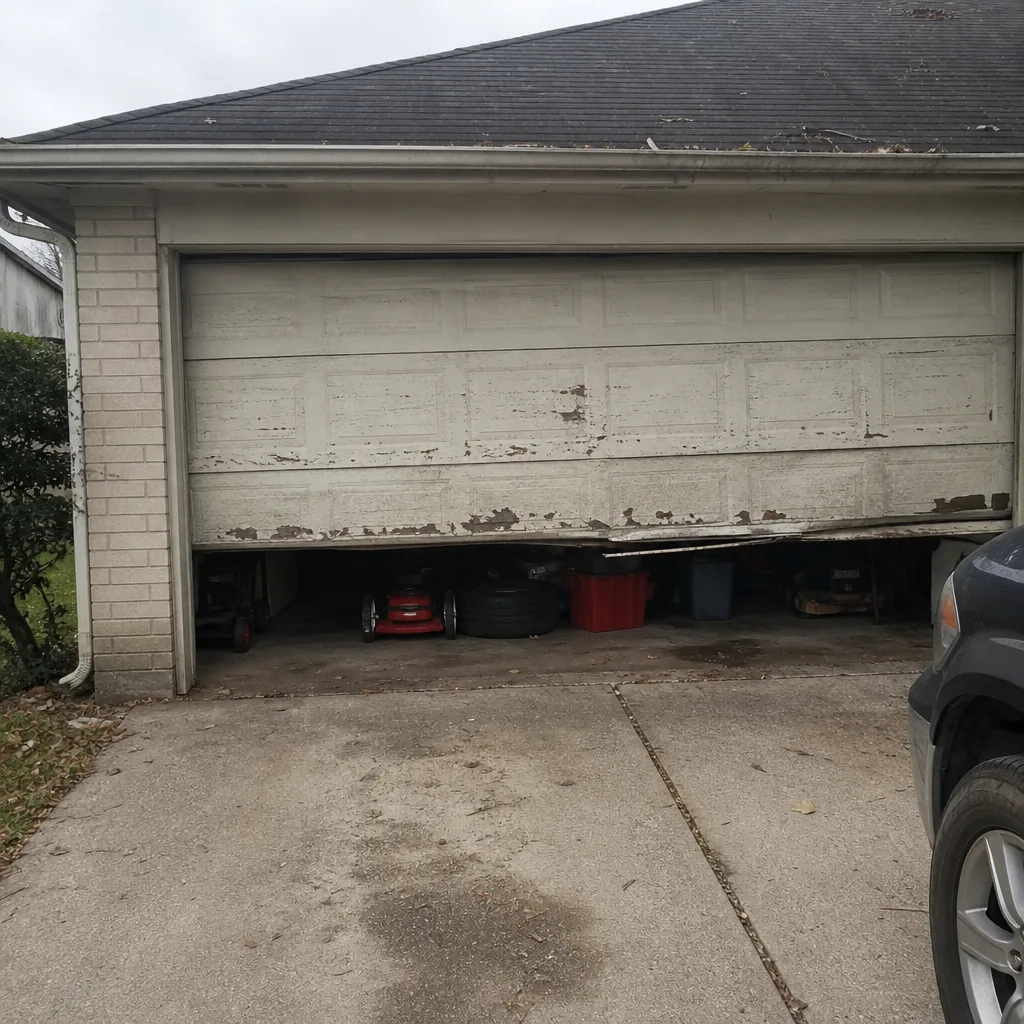 Before
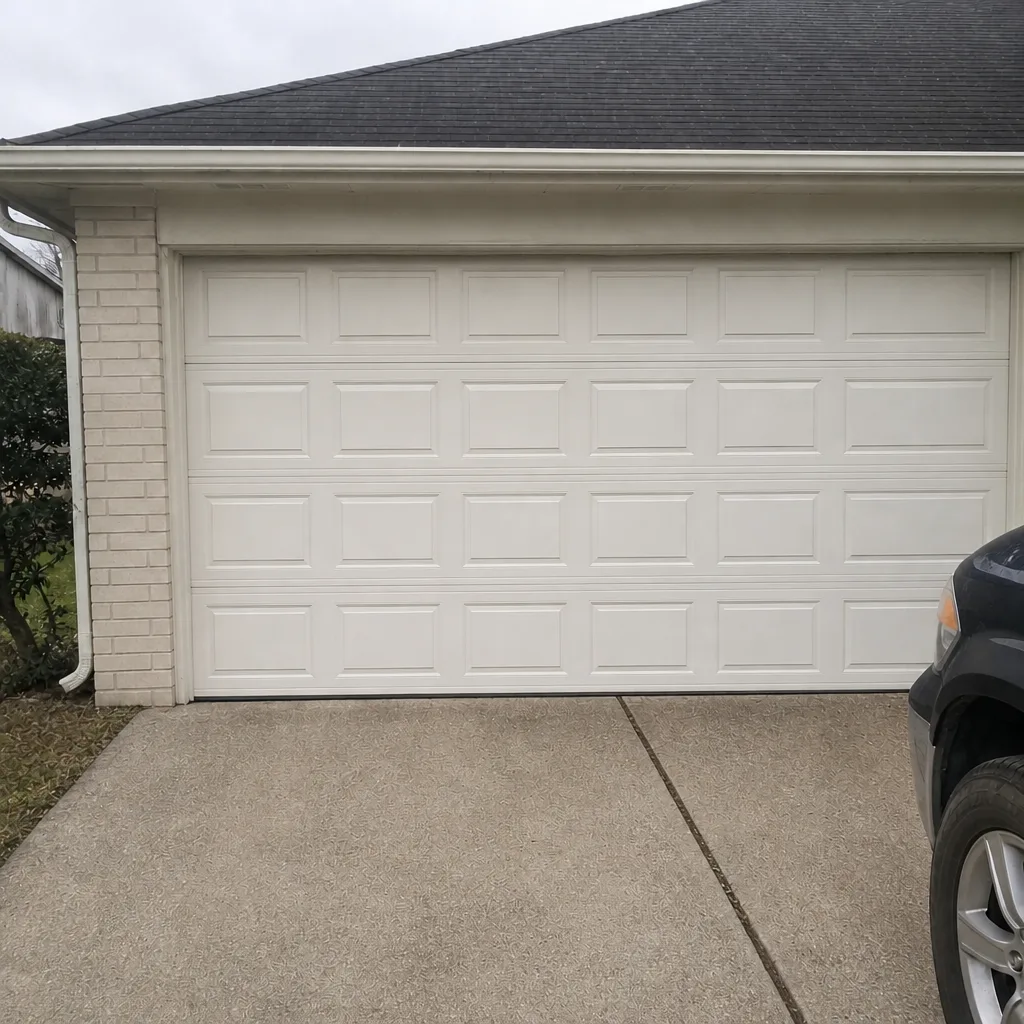 After
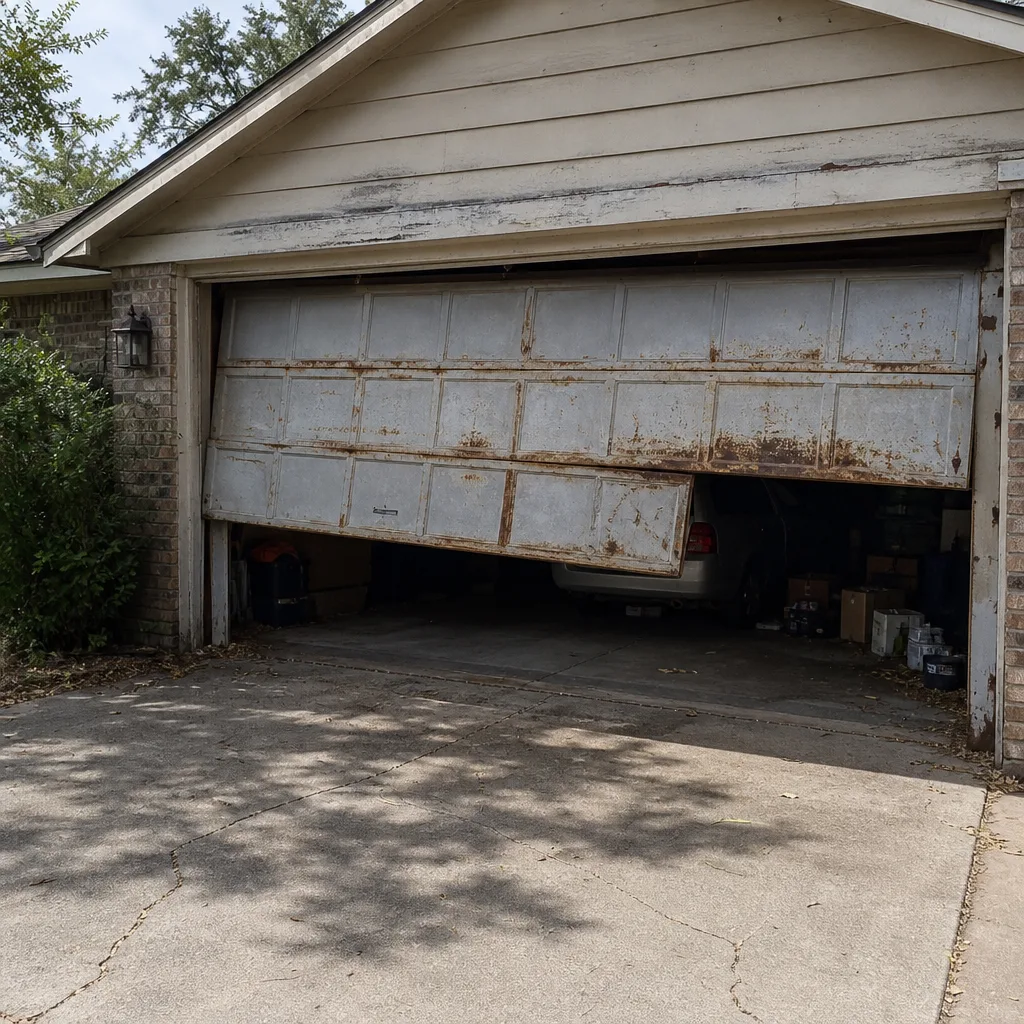 Before
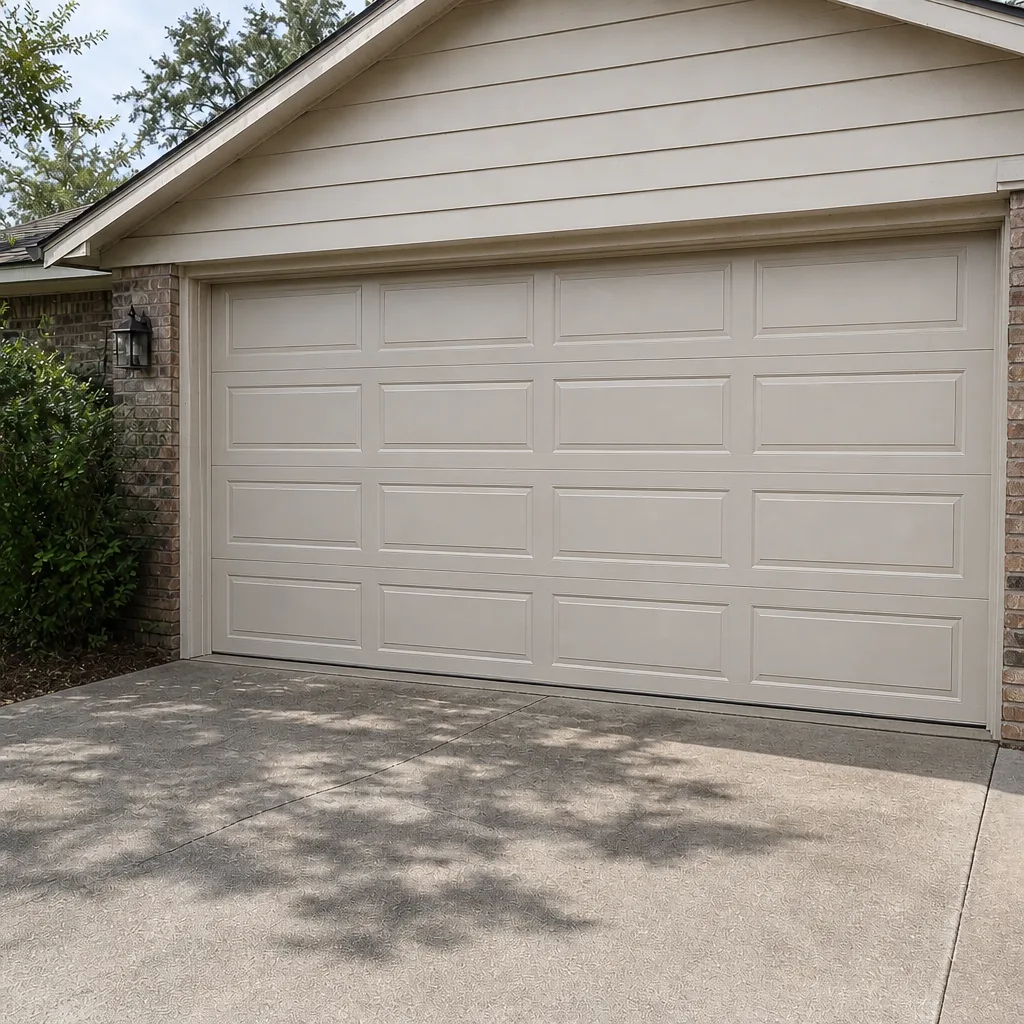 After
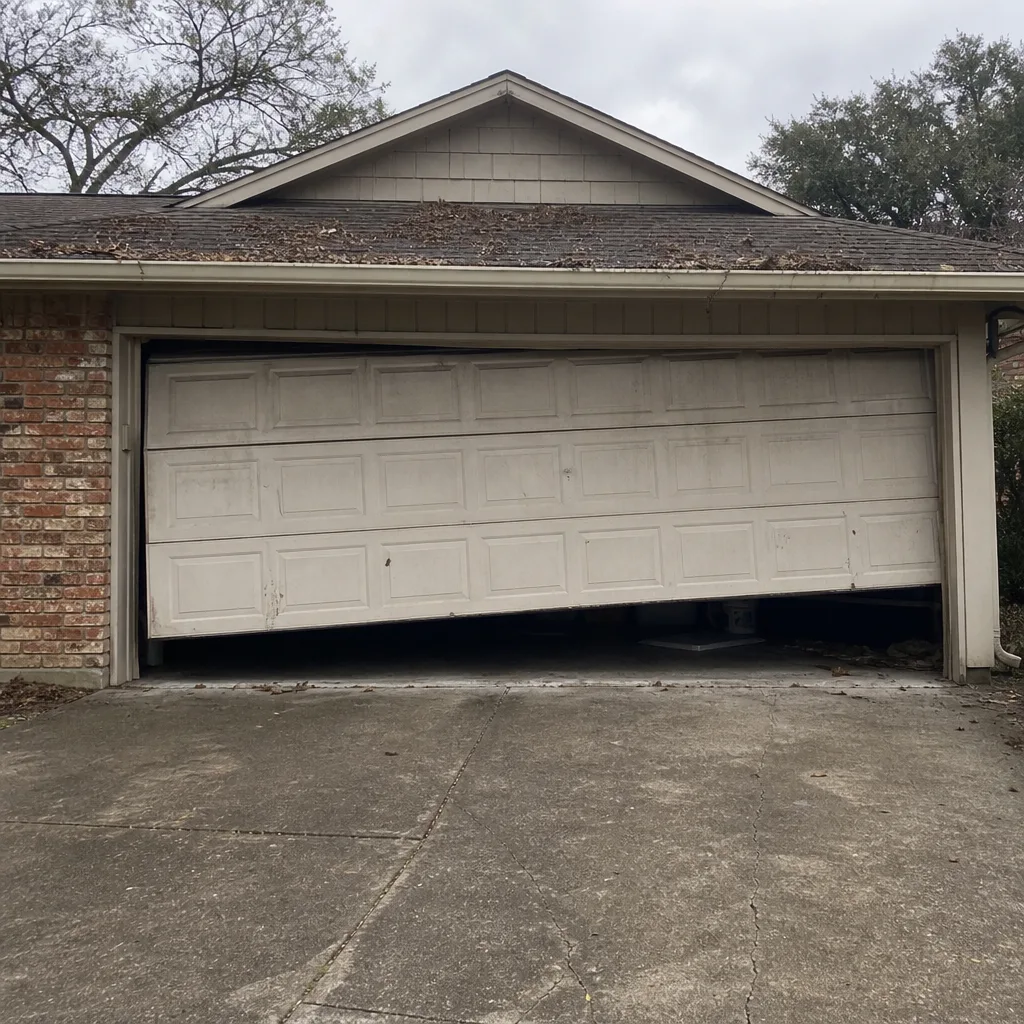 Before
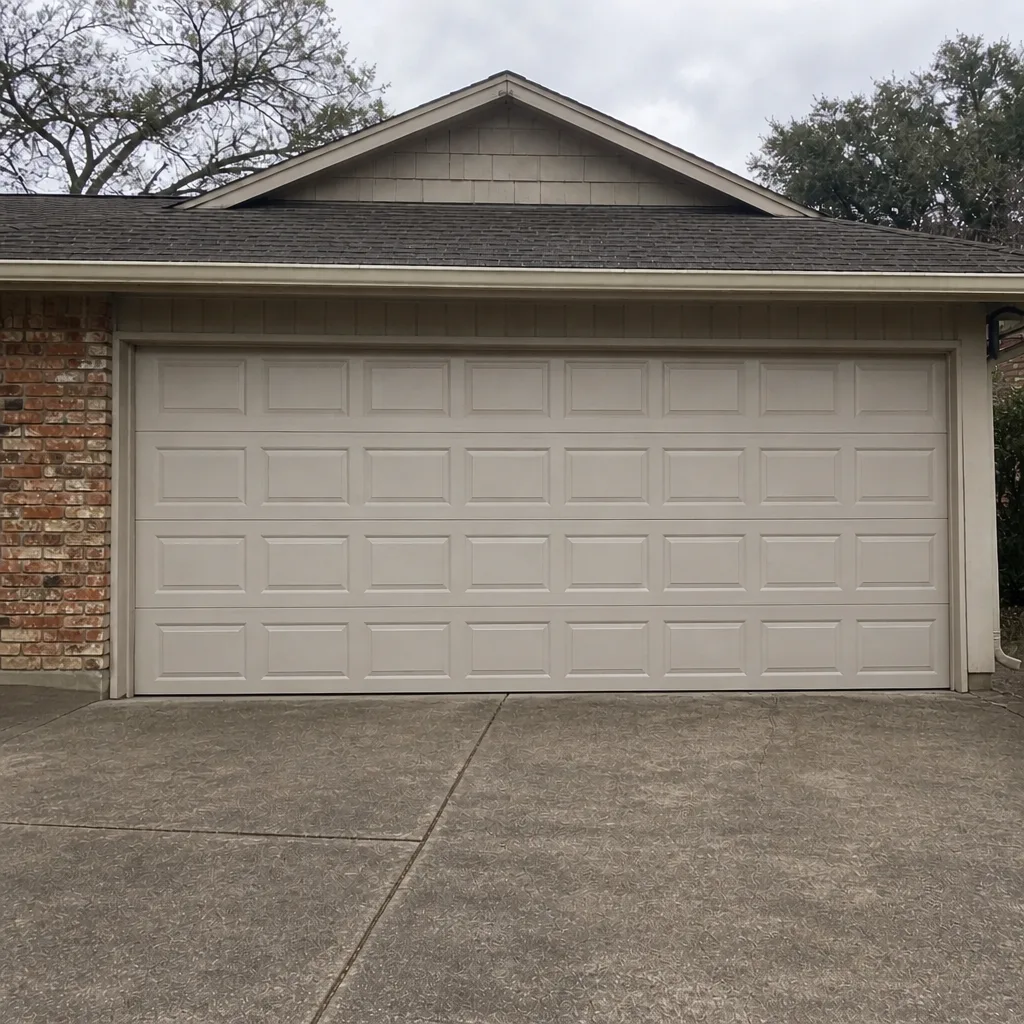 After
When to Call a Professional
Call a professional when a spring breaks, when the door won’t open or close, when a cable is visibly slack or frayed, when the door drifts down after you lift it halfway, or when the opener runs but the door doesn’t move. Call when you hear a sharp bang from the garage and find the door heavy. Call when a track is bent and the door binds. And call when the door is old enough that repairs are recurring, because at that point a replacement quote is the more honest next step. None of these situations is a DIY job, and spring work especially belongs to a trained technician. Garage Door Repair Memorial offers free estimates in Memorial. Call (877) 492-2056. We answer 24/7. Fast dispatch from 7am to 7pm, Sunday through Friday.
Frequently Asked Questions
Ask how many door-only calls the company runs each week and which manufacturers have trained their technicians. A specialist answers with specifics, names the brands they service, and treats spring repair as a standing service. A generalist answers vaguely because doors are a small part of their work. Call (877) 492-2056 for an exact quote; estimates are free.
A legitimate written estimate itemizes spring type and cycle rating, track gauge if track is involved, the operator model if an opener is involved, and labor separated from parts. It also states what’s excluded and confirms the price is agreed before work starts. If an estimate is a single lump-sum number with no specifications, ask for the itemized version. Call (877) 492-2056 for an exact quote; estimates are free.
Not always. Some policies exclude high-tension spring and cable work or require a rider, so ask the contractor to confirm in writing that their coverage includes it. Also ask about workers’ compensation if anyone other than the owner will be on your property. The local professional is licensed and insured as their state requires. Call (877) 492-2056 for an exact quote; estimates are free.
Storm damage creates a surge of garage door demand, and crews from outside the area sometimes arrive to capture it. They collect payment and leave before warranty issues surface. Verify a local business identity, get a written estimate, and avoid full payment up front. Call (877) 492-2056 for an exact quote; estimates are free.
No. Springs and cables are under high tension, and an improper release can cause serious injury. Manufacturers and safety organizations advise against DIY spring work. A trained technician has the winding bars, the calibration knowledge, and the insurance that reflects the risk. Call (877) 492-2056 for an exact quote; estimates are free.
Yes. Contractors who stock parts locally resolve callbacks in days, while contractors who drop-ship from a distributor can leave you waiting on a delivery. Ask where the parts come from and what’s kept on hand before you book. The right part, installed correctly, is what makes the repair hold. Call (877) 492-2056 for an exact quote; estimates are free.
The Bottom Line
Hiring a garage door contractor in Memorial is a vetting problem before it’s a price problem. The three filters that matter most are weekly door-only volume, a written estimate that itemizes spring type and cycle rating along with track gauge and operator model, and insurance that specifically covers spring and cable work. Add the local stock question and the storm-season red flags, and you’ll spot the specialists quickly. The written estimate sets the final price, and it should be agreed before any work starts. When you’re ready, call (877) 492-2056 for a free estimate. We answer 24/7, with fast dispatch from 7am to 7pm, Sunday through Friday.
Written by the team at Garage Door Repair Memorial.